Product Description
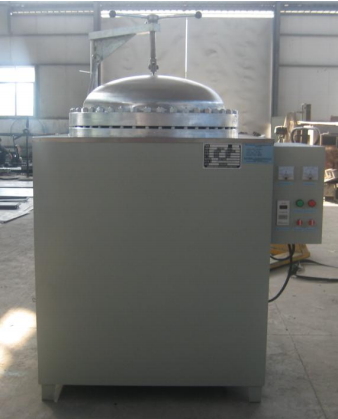
Ceramic Tile Glaze Cracking Resistance Tester (Autoclave)
The instrument adopts the principle of heating water by electric heater to produce steam for steaming sample. It applies the requirements in GB/T3810.11-2006.ISO-10545-11ceramic glazed tile cracking resistance testing method for the test equipment. It could not only test ceramic glazed tile cracking resistance, but also other disruptive test under 0-1.0Mpa as working pressure .
Structural features:
The equipment is mainly made of pressure tank,electro connecting pressure gauge,safety valve,electric heater,electric control device and etc.. It has characteristics of Compact structure, light weight, pressure control of high precision, easy operating, reliable working, and so on.
Main technical parameters:
1. Voltage: 380V(2 fire wire 1 zero line)
2. Power: 10kw
3. Volume of the container: 600600mm
4. Rated pressure: 1Mpa
5. Pressure precision: 20KP
6.Contactless automatic constant pressure,digital set constant pressure time.
Precise Testing with Advanced SafetyThis autoclave includes automatic pressure and temperature control, overpressure protection, and an emergency pressure relief system. The chambers stainless steel construction and high-density insulation optimize durability, performance, and operator safety. With an automatic locking lid and a user-friendly digital control panel, the tester guarantees safe and easy operation during every use.
Maximum Efficiency and VersatilityCapable of testing six specimens per batch (up to 600 mm x 600 mm), the tester features internal steam generation, adjustable pressure (1.51.6 MPa), and temperature control (120130C). The versatile water filling system supports automatic or manual operation, making it adaptable for varying laboratory requirements.
FAQs of Ceramic Tile Glaze Cracking Resistance Tester (Autoclave):
Q: How does the Ceramic Tile Glaze Cracking Resistance Tester improve laboratory workflows?
A: The tester automates pressure, temperature, and timing controls, allowing for precise and repeatable tests. Its digital interface simplifies setup, and the ability to process multiple specimens at once increases efficiency, reducing labor time and operator intervention.
Q: What is the process for operating the autoclave during a tile glaze cracking resistance test?
A: Begin by loading up to six tiles (max 600 mm x 600 mm) onto the rack inside the chamber. Fill water automatically or manually, set the required parameters on the digital control panel, and start the cycle. The internal electric steam generator brings the chamber to the set pressure and temperature, following standard protocols such as ISO 10545-11 or EN 101.
Q: When is this tester typically used in the ceramic tile production process?
A: It is mainly used during research, development, and quality control stagesbefore tiles are released for sale. Testing at this stage helps ensure the finished products meet required industry standards for durability and resistance to glaze cracking.
Q: Where can the Ceramic Tile Glaze Cracking Resistance Tester be installed?
A: This floor-mounted equipment is intended for laboratory environments, quality inspection departments, or manufacturing facilities with requirements for controlled conditions (ambient temperature of +15C to +40C) and appropriate safety protocols.
Q: What benefits do the dual digital and analog pressure gauges offer?
A: The dual indication system allows for quick, real-time observation of pressure (02 MPa range) with an accuracy of 0.01 MPa, ensuring test results are both precise and easily monitored by operators who prefer either digital or analog readings.
Q: How does the autoclave ensure user safety during operation?
A: Safety is prioritized through several features: automatic lid locking, overpressure and over-temperature protection, emergency pressure relief mechanisms, and thermal insulation to prevent external heat hazards. The digital control system also minimizes manual intervention, reducing risk.












 Send Inquiry