Product Description
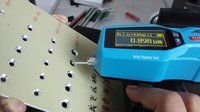
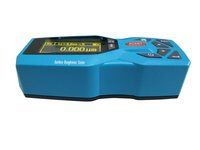
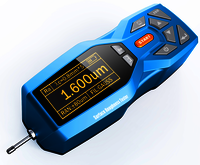
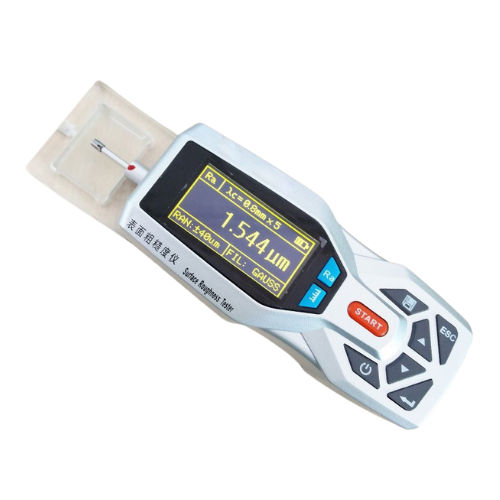
Surface Roughness Tester Instrument Surface Roughness Measurement
MAIN FEATURE
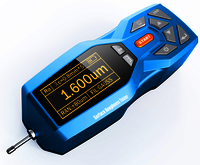
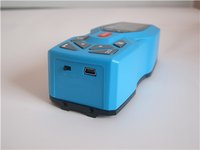
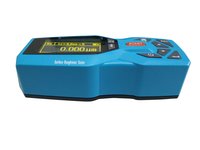
- Stylish design with plastic shell, inspired by "TRANSFORMERS";
- Visual waveform display;
- Electromechanical integration design, small volume, light weight, easy to use;
- Using DSP chip to control and data processing, high speed, low power consumption;
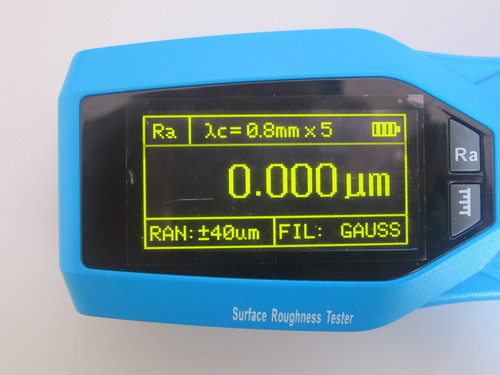
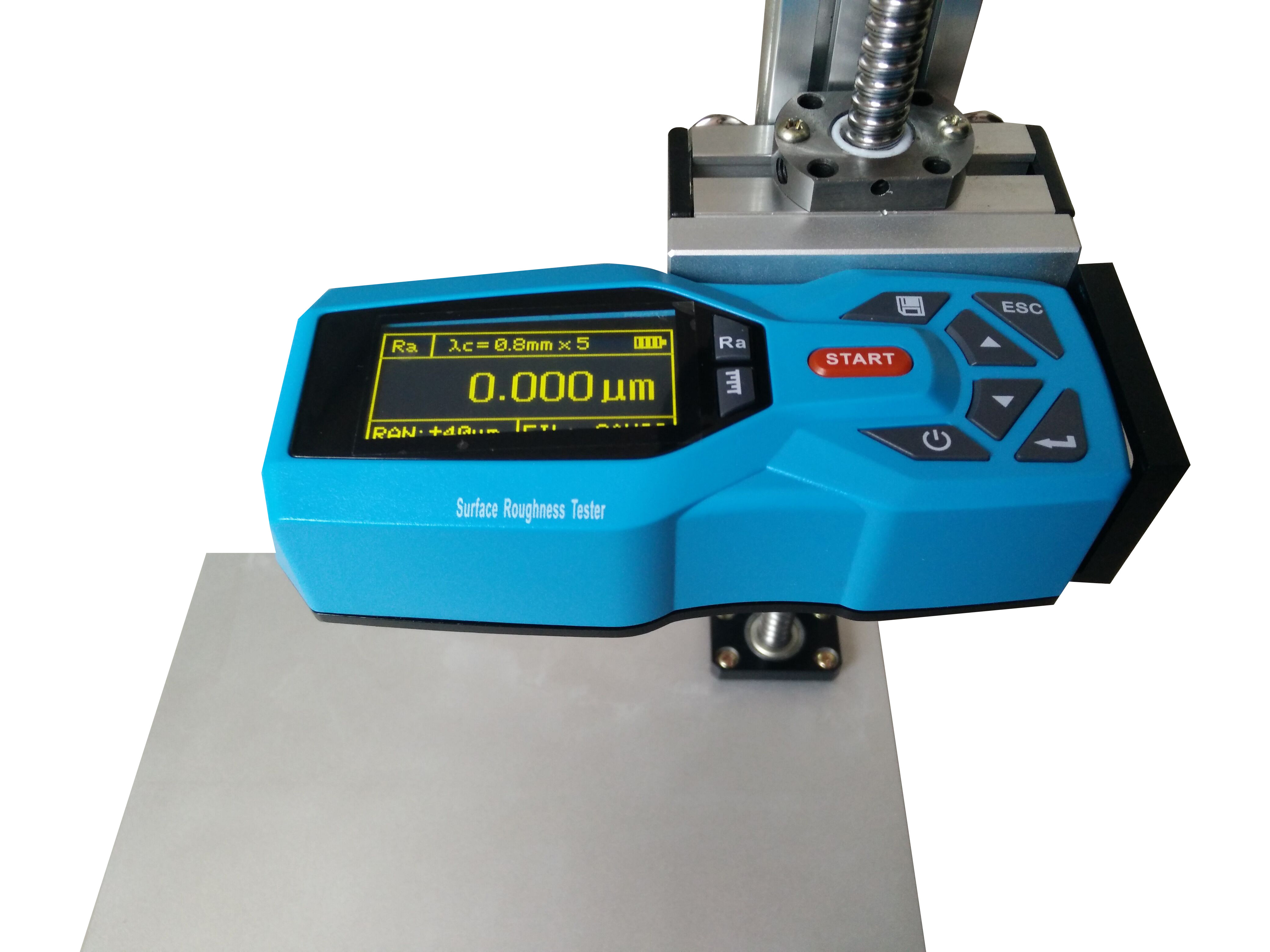
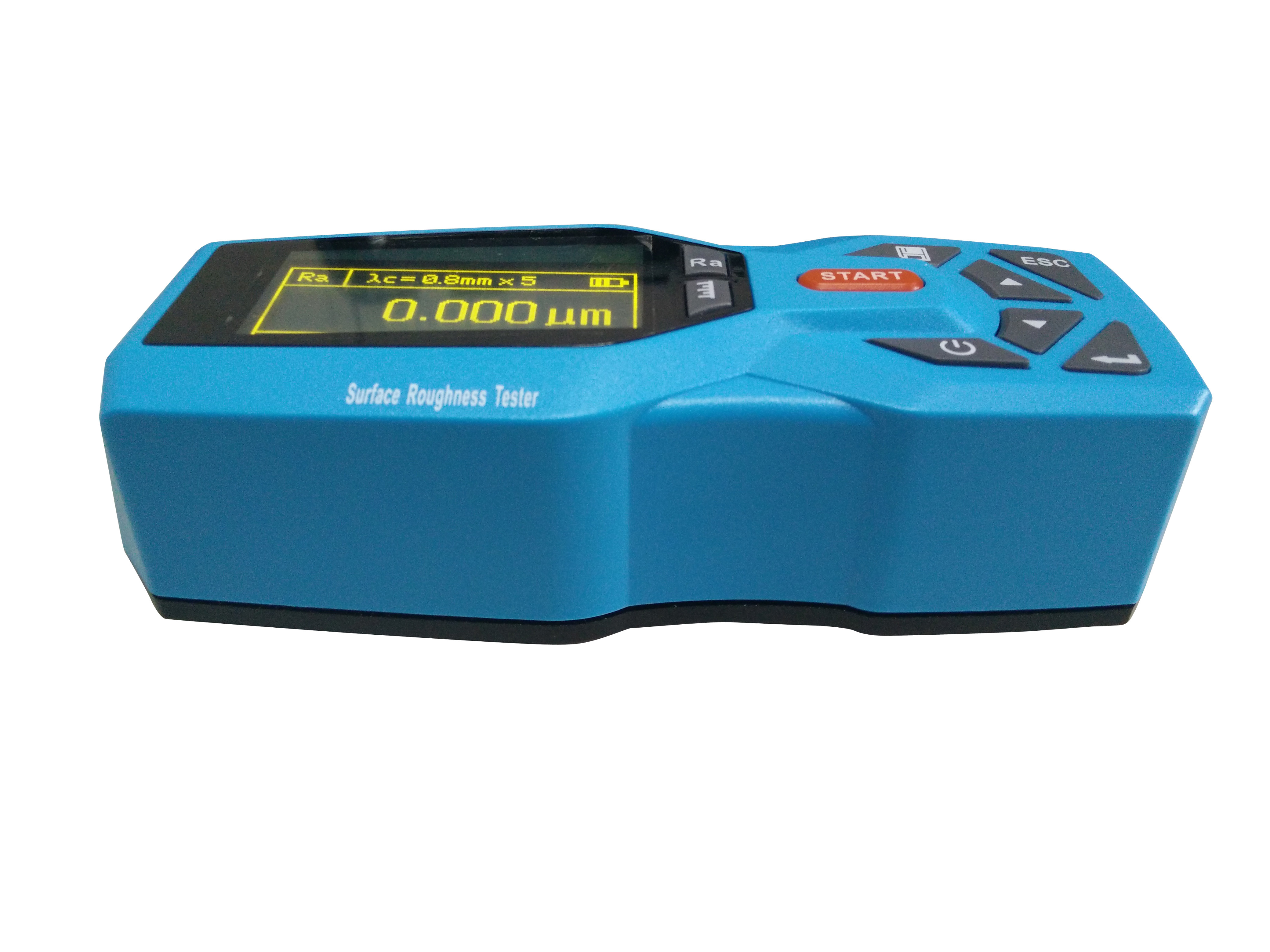
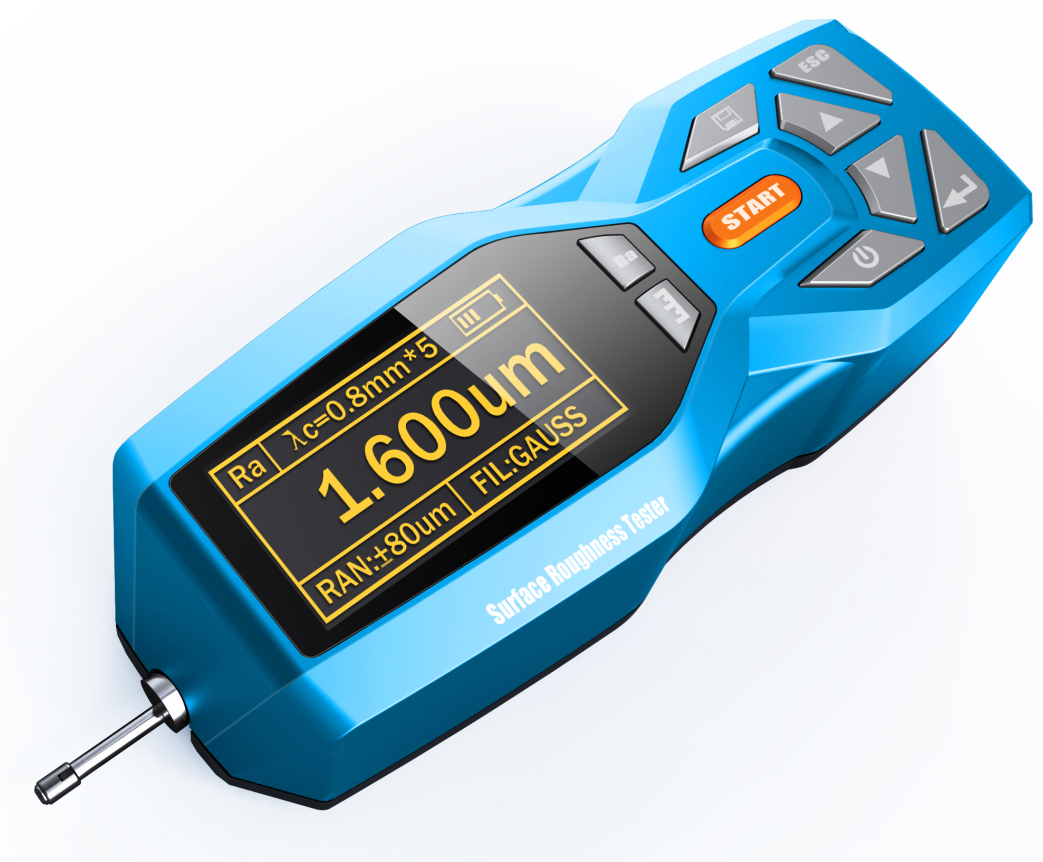
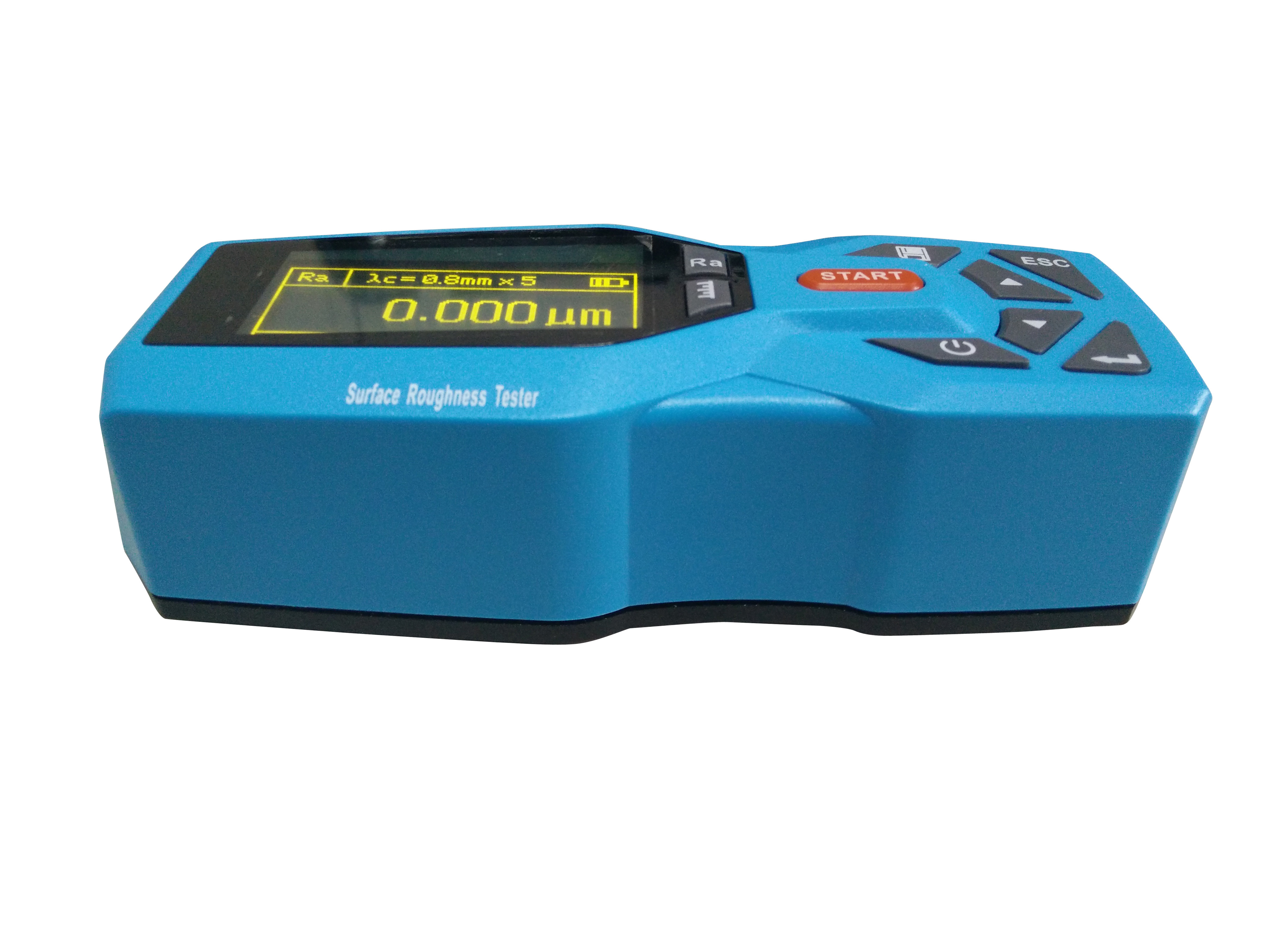
- 128*64 OLED dot matrix display, digital / graphic display; highlight no perspective;
- Intuitive and rich display information, can display all the parameters and graphics;
- Compatible with ISO, DIN, ANSI, JIS national standards;
- Residual quantity icon, prompting the user to charge;
- Continuous working time: more than 20 hours;
- Real-time clock settings and display, convenient data recording and storage;
- With automatic dormancy, automatic shutdown and power saving function;
- Multi-info Display: measurement information, menu prompt, fault and power switch information indicated.
- With PC software, can be connected to a computer and printer;
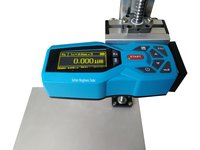
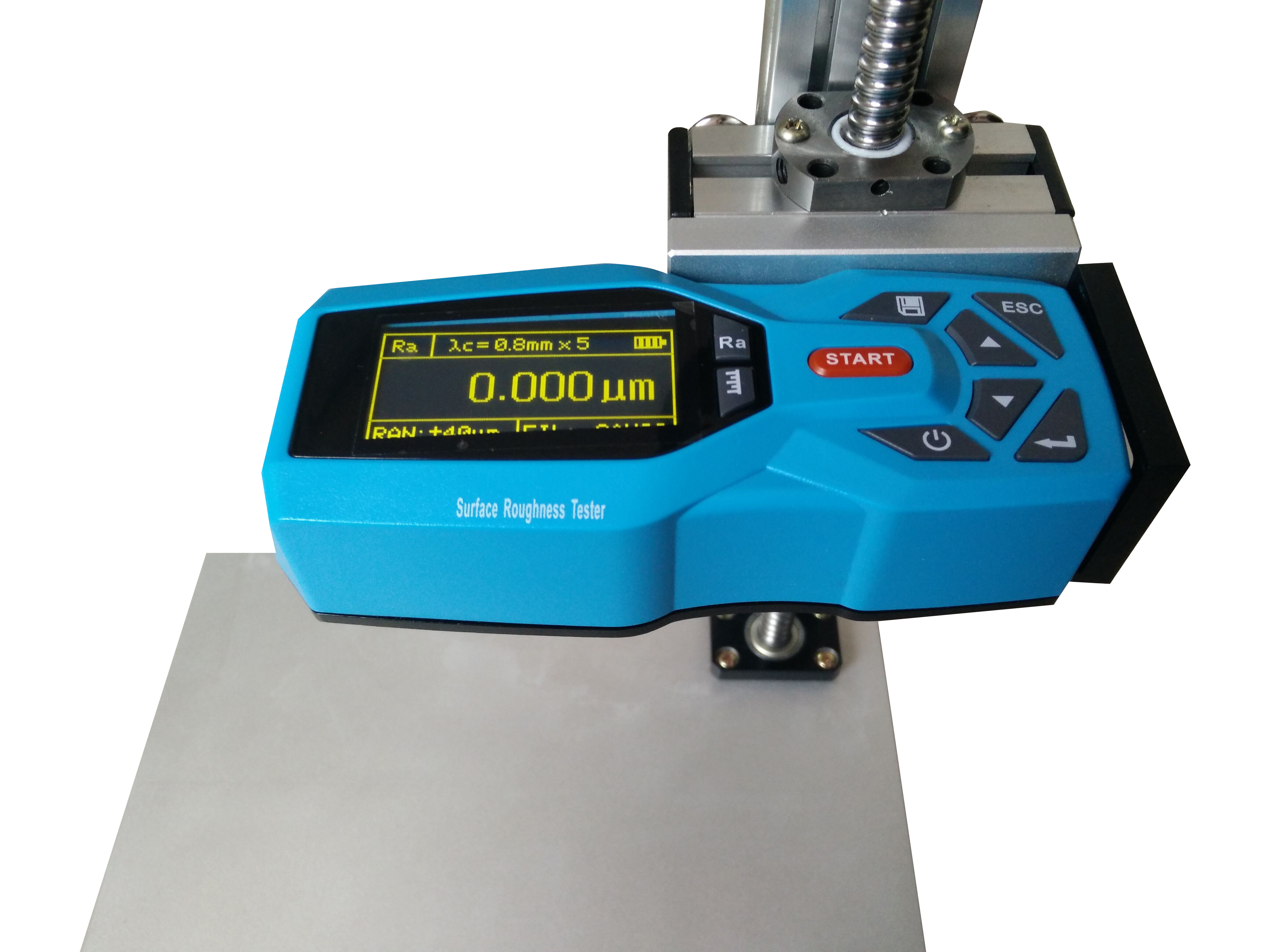
- Optional different sensor, measuring platform, mini printer, extension rod and other accessories;
- Support OEM Service, high price performance.
TECHNICAL DATA
- 20 roughenss parameters: Ra,Rz,Rq,Rt,Rp,Rv,R3z,R3y,RzJIS,Rsk,Rku,Rsm,Rmr,Rx,RPc,Rk,Rpk,Rvk,Mr1,Mr2
- Sample Length: 0.25, 0.80, 2.50mm
- Evaluation Length: (1-5)L
- Maximum Drive Stroke: 17.5mm/0.7inch
- Data Storage: 100 groups
- Power: Rechargeable Li-battery
- Size: 158*63.5*46mm
- Weight of Host: 0.3kg
Precision Measurement for Varied SurfacesEngineered for accuracy, this tester easily evaluates the surface roughness of metals, plastics, glass, and more. Thanks to its diamond stylus and selectable sampling lengths, users can obtain granular insight into surface texture, aiding product development and quality control.
Portable and User-Friendly OperationDesigned for convenience, the instrument features a lightweight, impact-resistant ABS body and fits comfortably into hand or stand-mounted setups. Its intuitive, menu-driven interface, tactile keypad, and multi-language LCD display make operation straightforward in any setting.
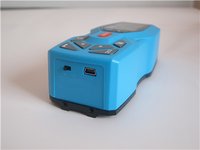
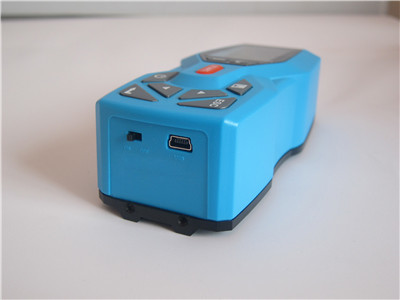
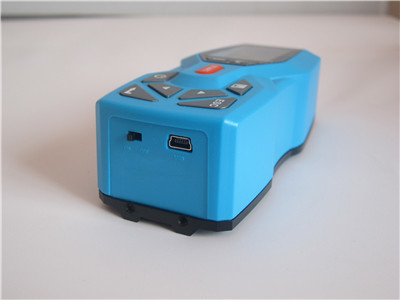
Versatile Data Management and ComplianceEquipped with USB output, the tester facilitates seamless data transfer to PC software, supporting streamlined documentation and analysis. Compliance with multiple international standards (ISO 4287, DIN 4768, JIS B601, ANSI) assures confidence in repeatable, global-accepted results.
FAQ's of Surface Roughness Tester Instrument Surface Roughness Measurement:
Q: How do I operate the Surface Roughness Tester for accurate measurements?
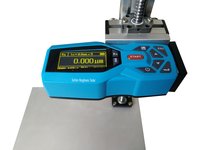
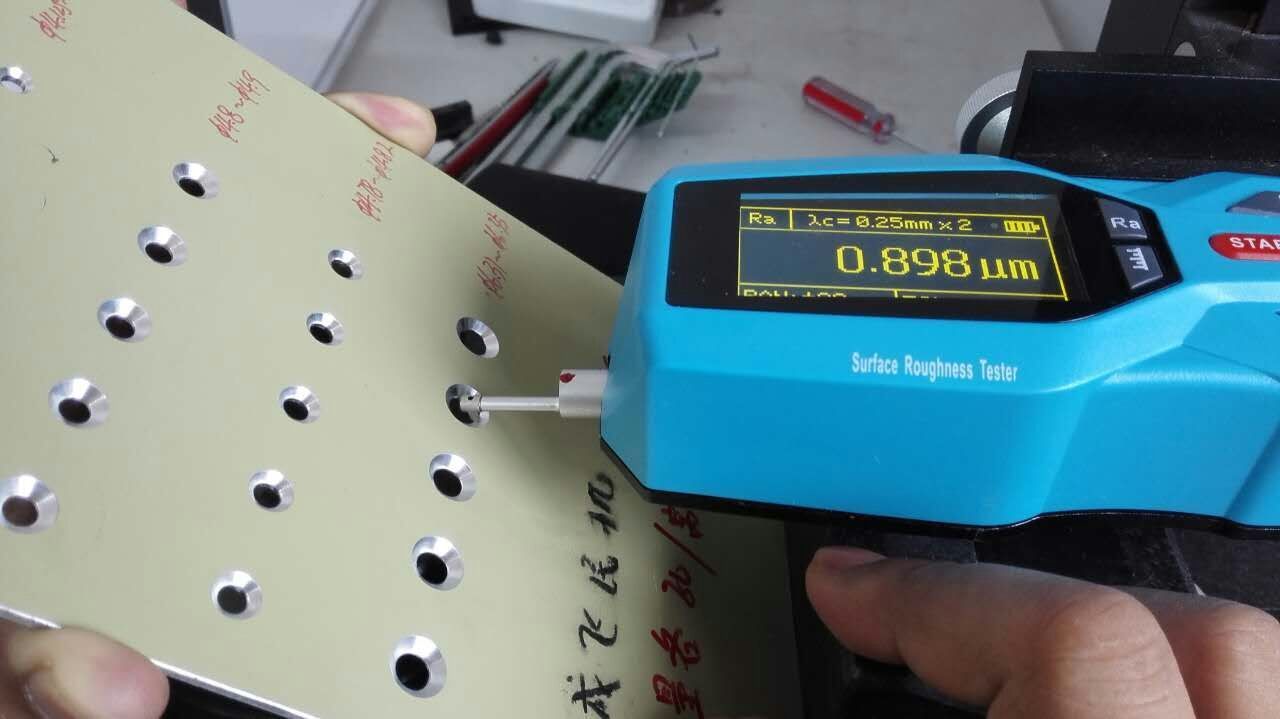
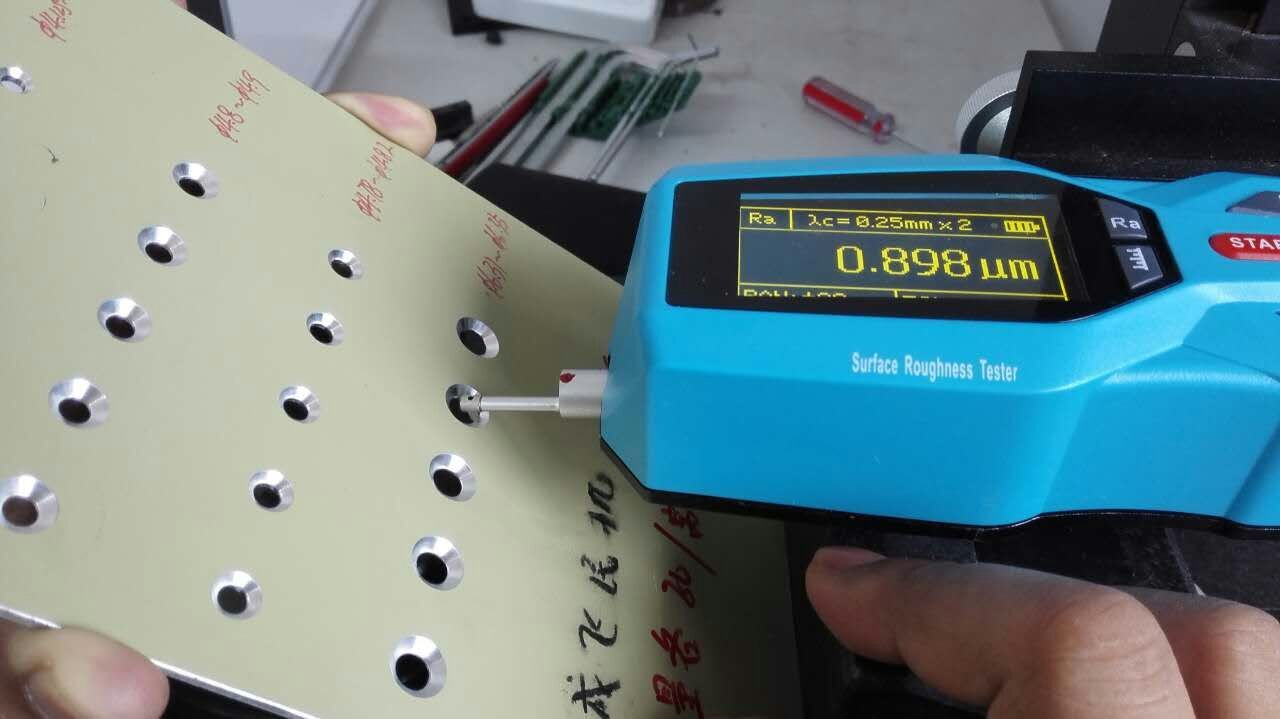
A: Start by placing the stylus tip on the specimen (minimum 20 mm x 20 mm, flat or curved). Select the desired sampling length and parameter on the menu-driven interface, then press start. The device scans the surface and displays results nearly instantly (<2 seconds).
Q: What types of surfaces can this instrument measure?
A: The tester is suitable for measuring surface roughness on metals, plastics, glass, and other flat or gently curved materials. Ensure that specimen size meets the minimum 20 mm x 20 mm requirement for reliable results.
Q: When and how should I perform calibration?
A: Calibration is recommended regularly or when accuracy is critical. Use the supplied calibration reference standard according to the instructions in the manual. Calibration ensures consistent readings, aligning with international standards.
Q: Where can measurement data be accessed and stored?
A: Measurement data appear instantly on the LCD display and are stored in the device's internal non-volatile memory. For documentation, data can be exported to a PC via the standard USB port using compatible software.
Q: What benefits does the handheld design provide?
A: Its portable, battery-operated construction allows quality checks in production lines, laboratories, or field environments without needing continuous wall power, offering up to 50 hours of operation per charge.
Q: How does the Surface Roughness Tester support industry compliance?
A: This instrument complies with ISO 4287, DIN 4768, JIS B601, and ANSI standards, ensuring your measurements meet global quality benchmarks during inspection or certification processes.
 English
 Spanish
 French
 German
 Italian
 Chinese (Simplified)
 Japanese
 Korean
 Arabic
 Portuguese











 Send Inquiry