Product Description
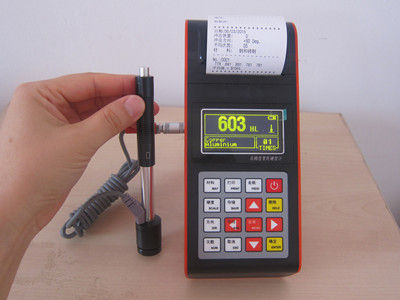
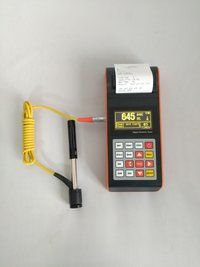
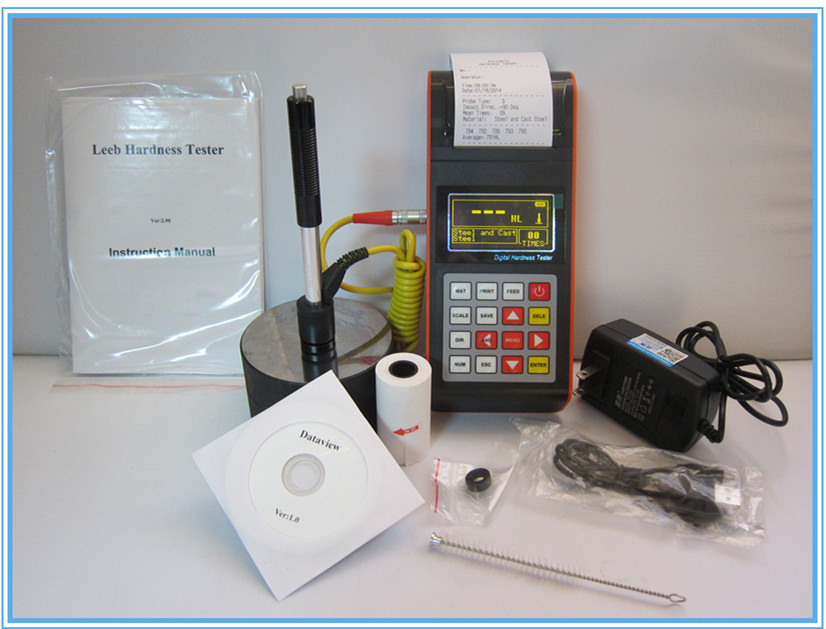
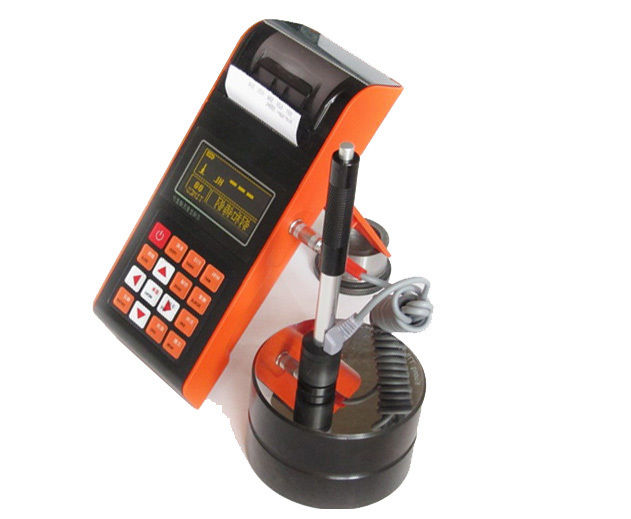
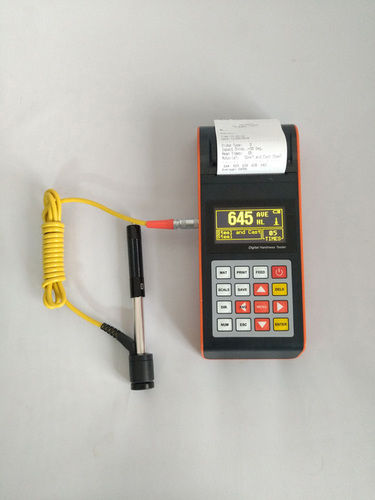
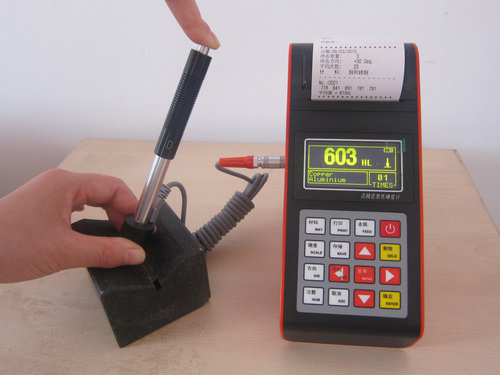
Portable Hardness Testing Machine Metal Pen Type Hardness Tester
Product Application:
It is suitable for Steel and cast steel, alloy steel, stainless steel, gray cast iron, nodular cast iron, cast aluminum alloy, copper zinc alloy (brass), copper alloy (bronze), tin pure copper, forging steel etc.
Feature:
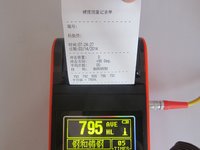
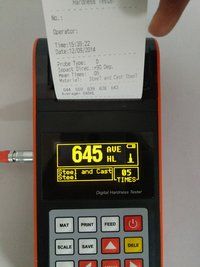
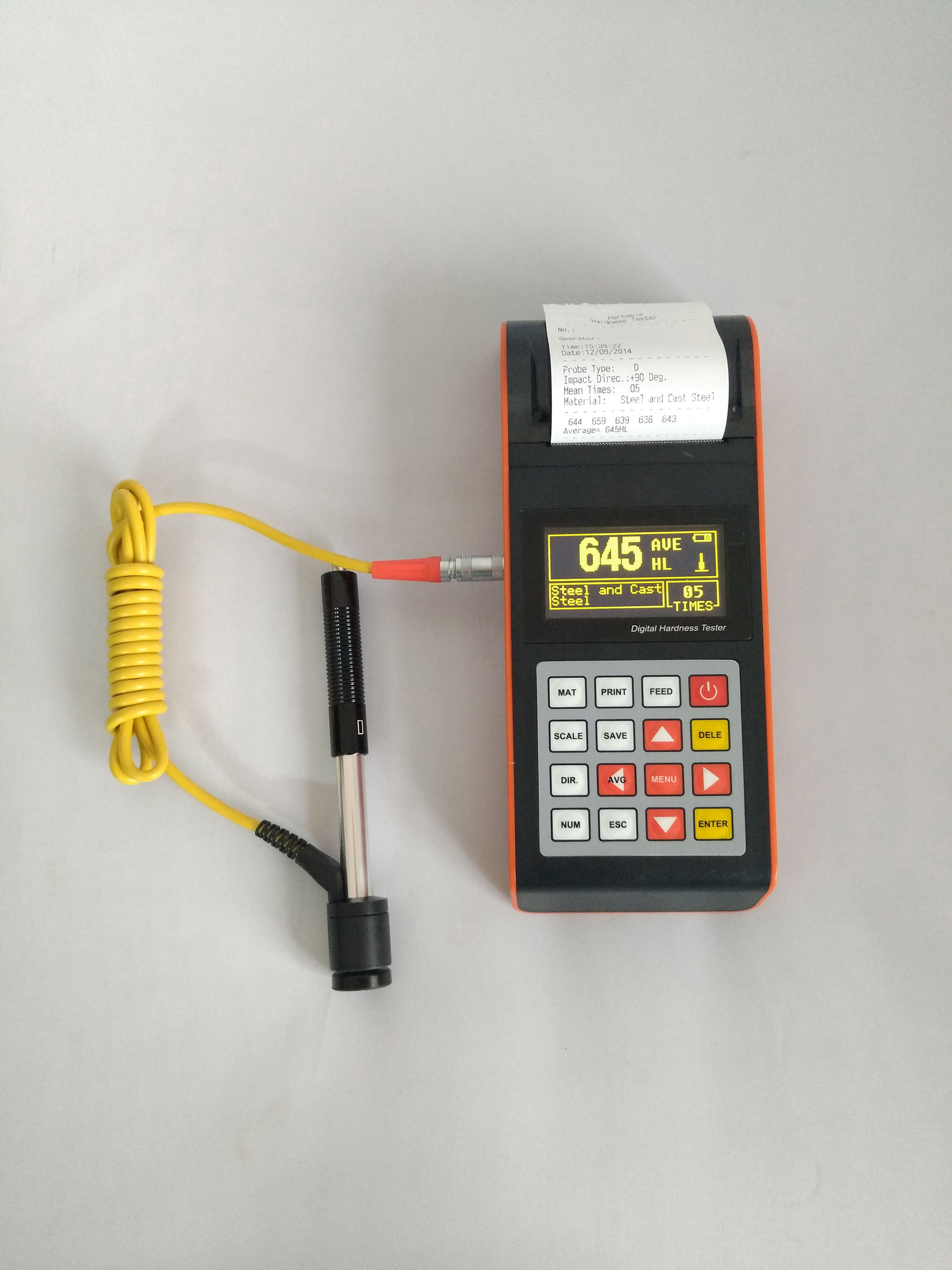
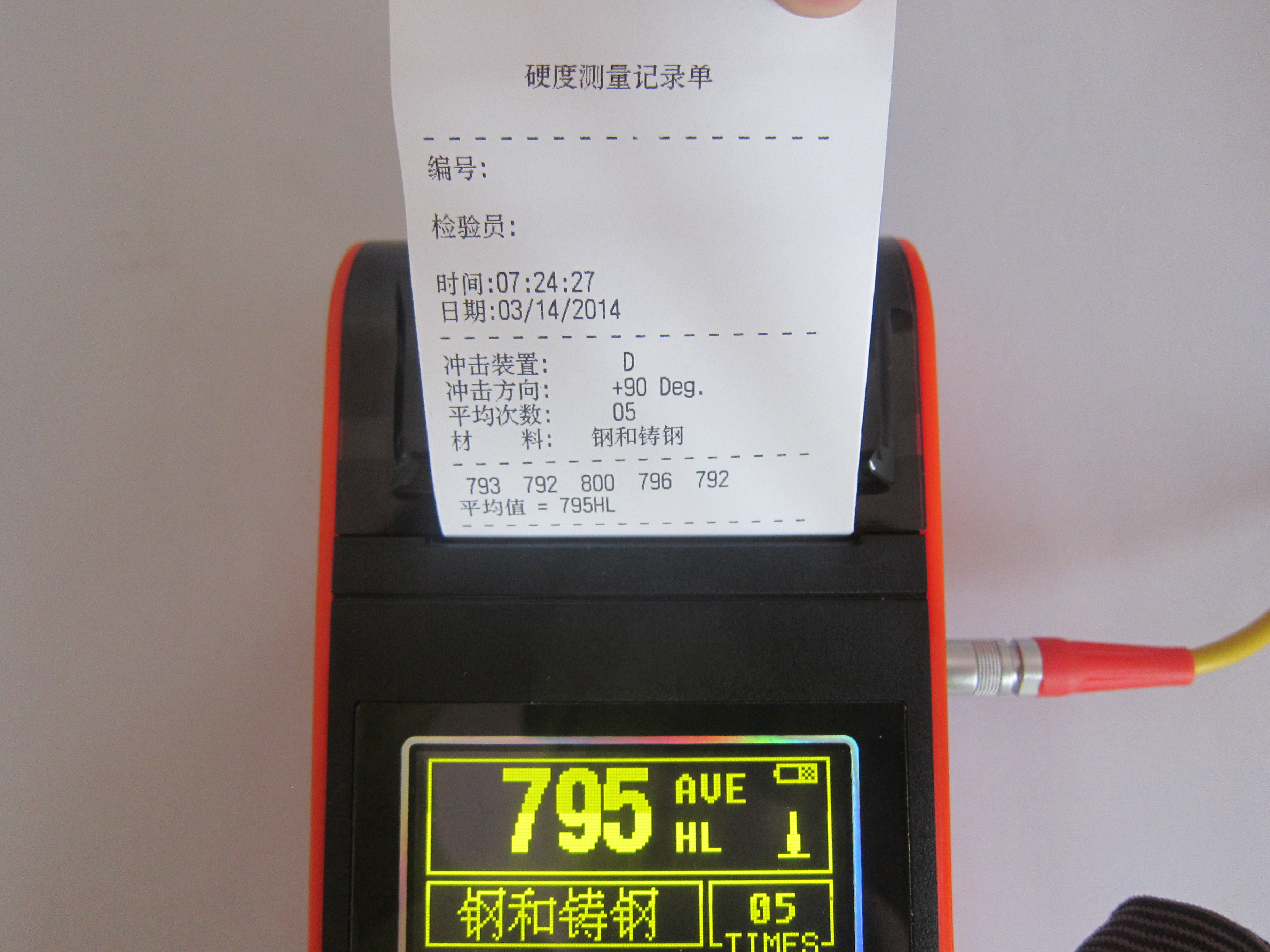
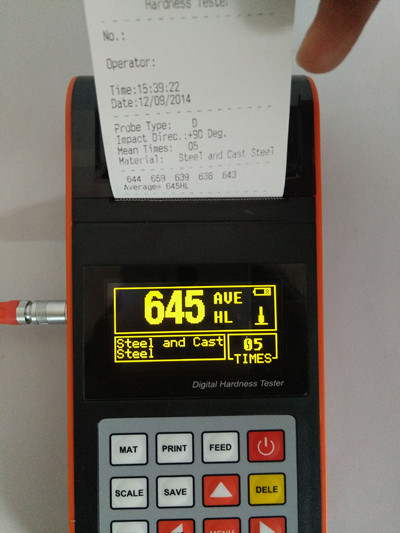
*Built-in printer, can print testing results any time;
*Test at any angle, even upside down;
*Has a starting value calibration function, ensure the data is applicable and accurate in different codes and standards;
*Seven impact devices are available for special application. Automatically identify the type of impact devices;
*User calibration function;
*Battery information indicates the rest capacity of the battery and the charge status;
*Has the function of automatic alarm. Pre-set tolerance limit, beyond the range has automatic alarm, especially suitable for batch testing;
*Menu operation, information rich, intuitive, the realization of arbitrary switching material and hardness of system's key type, simple and convenient;
*Excellent after-sale service system for high quality products-two years warranty and all life maintenance. Easy to operate;
*Narrow space also available to use;
*Support OEM Service;
*High price performance.
Specification:
- Measuring Materials: Steel and cast steel, alloy tool steel, stainless steel, gray cast iron, nodular cast iron, cast aluminum alloy, copper zinc alloys (brass), copper and tin alloy, copper (bronze), forged steel
- Measuring Range: HLD(170-960), HRC(17.9-69.5), HB(19-683), HV(80-1042), HS(30.6-102.6), HRA(59.1-88),
- HRB(13.5-101.7)
- Measuring Direction: 360 degree
- Hardness Scale: HL, HB, HRB, HRC, HRA, HV, HS
- Display: 128*64 digital matrix LCD
- Data Memory: Max 600 groups (relative to impact times 1-32 adjustable)
- Power: Rechargeable li-battery
- Working Temperature: -20-55 degree
- Size: 210*85*45mm
- Weight: 0.6kg
Versatile Hardness MeasurementThis tester supports multiple scales-HL, HB, HRC, HRB, HV, HS-enabling conversion between Leeb and other hardness values. The broad measuring range (170-960 HL) makes it suitable for a wide range of metals and alloys, offering flexible application from workshops to production lines.
Portable and Durable DesignCompact, pen-shaped, and lightweight at just 5 kg, this tester is crafted with durable ABS plastic and features a robust metal probe. Designed for use in tough environments, it resists dust and vibration, ensuring precise measurement even during field operations.
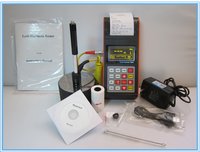
User-Friendly OperationWith its direct LCD digital readout and factory calibration, the tester offers straightforward operation and immediate results (within 3 seconds). Storing up to 100 test data groups enables efficient record-keeping. Accessories-including a carrying case and user manual-simplify transport and use.
FAQ's of Portable Hardness Testing Machine Metal Pen Type Hardness Tester:
Q: How do I operate the Portable Hardness Testing Machine for on-site metal testing?
A: To operate, simply power on the tester with a AAA battery, place the probe firmly on the metal surface, and press the impact button. The device will deliver an automatic reading on the LCD display in 1-3 seconds. You can record up to 100 test results in memory for later review.
Q: What materials and hardness scales can this tester be used for?
A: This device is designed to test various metals including steel, alloy, aluminum, copper, and brass. It supports HL (Leeb), with conversion options to HB, HRC, HRB, HV, and HS scales, making it flexible for different applications and standards.
Q: Where can the device be used effectively?
A: The tester is ideal for on-site environments such as production facilities, construction sites, workshops, and maintenance operations. Its dust and vibration resistance allows effective use in harsh or industrial settings.
Q: What is the calibration process for this tester?
A: The device comes factory calibrated, so no initial calibration is required. For long-term accuracy, periodic verification against reference blocks is recommended following the procedure outlined in the user manual.
Q: When is it beneficial to use a portable hardness tester like this one?
A: Using a portable unit is most beneficial when you require quick, non-destructive hardness measurements on-site or need to test large or fixed metal objects that cannot be moved to a laboratory environment.
Q: What is the maximum specimen size this device can test?
A: The tester is designed for specimens up to 150 mm in height and 20 mm in width, with a minimum specimen size of 15 mm x 15 mm. It tests one specimen at a time for precise results.
Q: How does storing test results work, and how many can I save?
A: The machine allows you to store up to 100 data groups in its onboard memory. You can recall previous measurements directly from the device, streamlining record-keeping for ongoing testing projects.
 English
 Spanish
 French
 German
 Italian
 Chinese (Simplified)
 Japanese
 Korean
 Arabic
 Portuguese










 Send Inquiry