Product Description
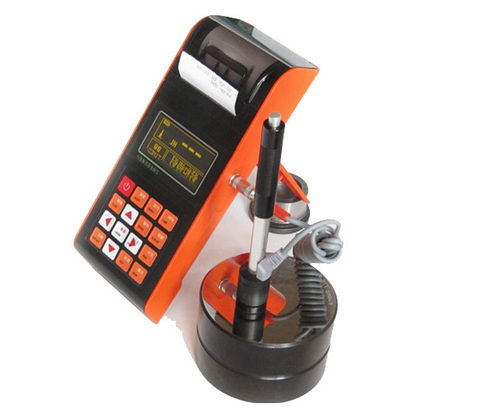
Portable Hardness Gauge Portable Hardness Tester for Steel
Feature:
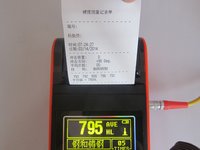
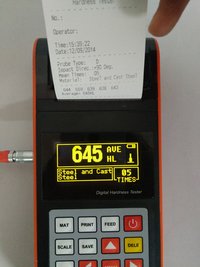
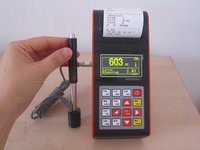
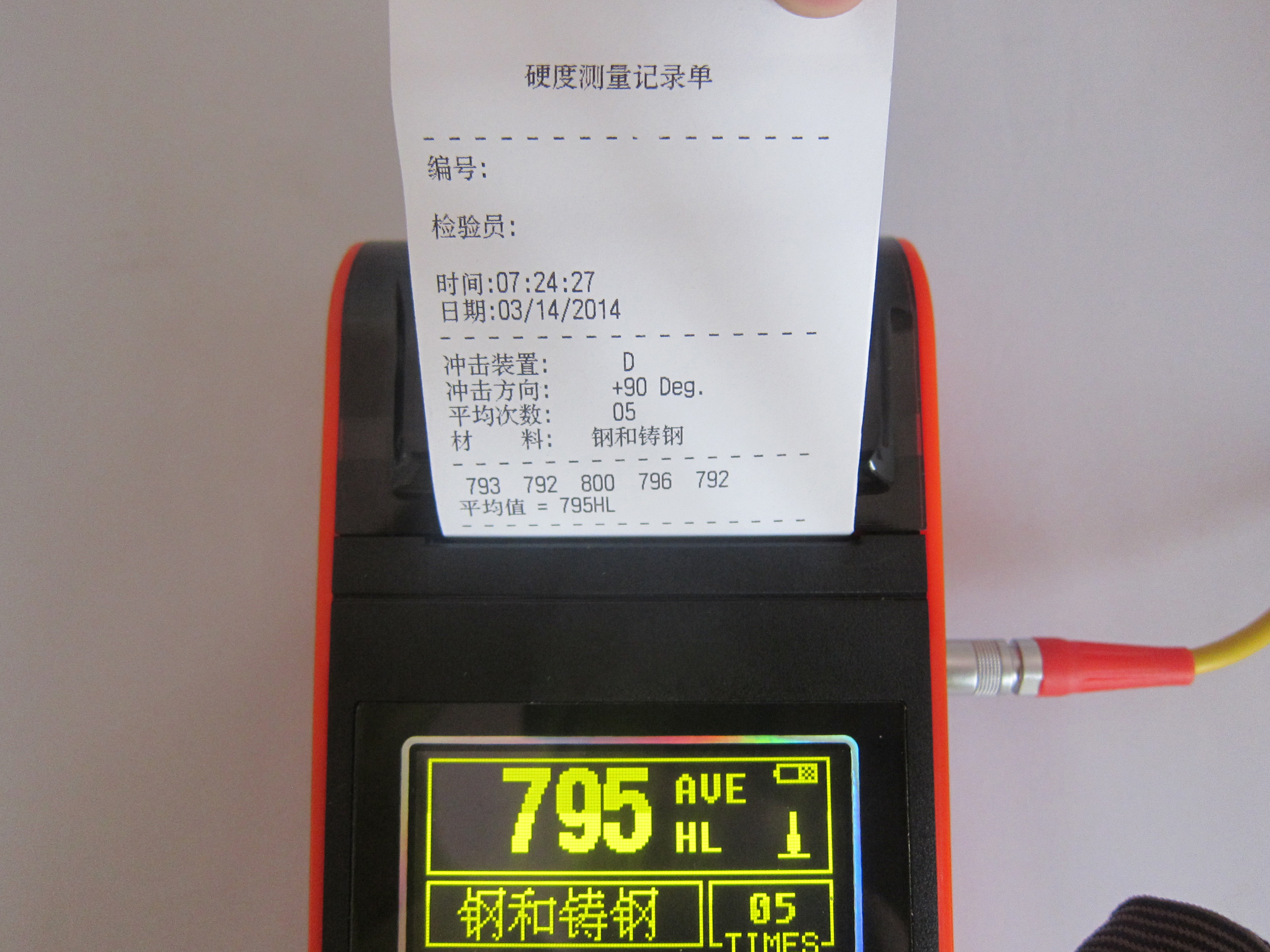
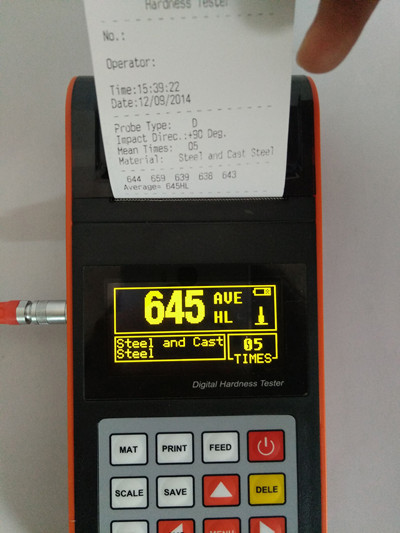
*Built-in printer, can print testing results any time;
*Test at any angle, even upside down;
*Has a starting value calibration function, ensure the data is applicable and accurate in different codes and standards;
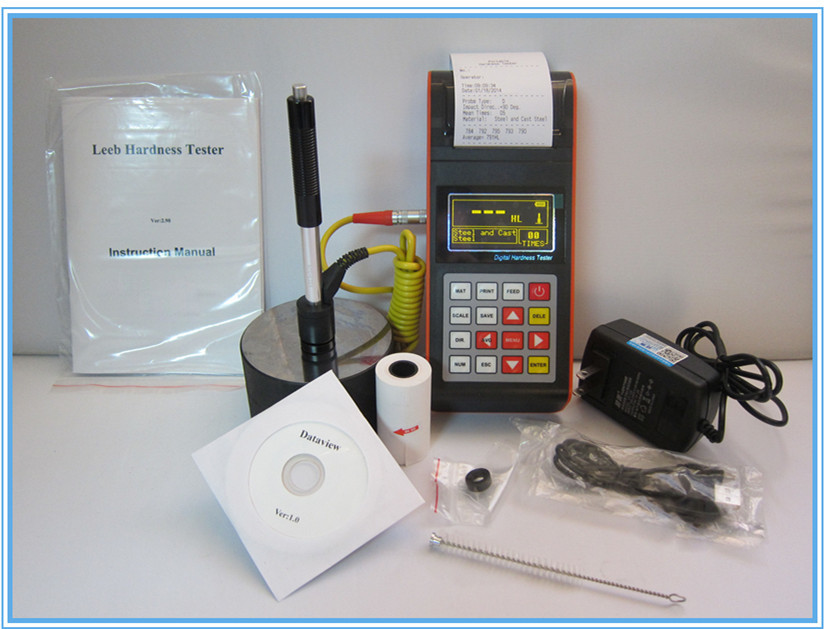
*Seven impact devices are available for special application. Automatically identify the type of impact devices;
*User calibration function;
*Battery information indicates the rest capacity of the battery and the charge status;
*Has the function of automatic alarm. Pre-set tolerance limit, beyond the range has automatic alarm, especially suitable for batch testing;
*Menu operation, information rich, intuitive, the realization of arbitrary switching material and hardness of system's key type, simple and convenient;
*Excellent after-sale service system for high quality products-two years warranty and all life maintenance. Easy to operate;
*Narrow space also available to use;
*Support OEM Service;
*High price performance.
Specification:
- Measuring Materials: Steel and cast steel, alloy tool steel, stainless steel, gray cast iron, nodular cast iron, cast aluminum alloy, copper zinc alloys (brass), copper and tin alloy, copper (bronze), forged steel
- Measuring Range: HLD(170-960), HRC(17.9-69.5), HB(19-683), HV(80-1042), HS(30.6-102.6), HRA(59.1-88),
- HRB(13.5-101.7)
- Measuring Direction: 360 degree
- Hardness Scale: HL, HB, HRB, HRC, HRA, HV, HS
- Display: 128*64 digital matrix LCD
- Data Memory: Max 600 groups (relative to impact times 1-32 adjustable)
- Power: Rechargeable li-battery
- Working Temperature: -20-55 degree
- Size: 210*85*45mm
- Weight: 0.6kg
Versatile Impact Device CompatibilityDesigned as a highly adaptable hardness tester, this instrument comes with a standard D-type impact device but offers additional options, including C, DC, DL, G, and E types. Users can select the most suitable probe for their specific testing requirements on various metal materials. The flexibility enhances accuracy and applicability, making it a go-to tool for different fields.
Convenient Data Management and TransferThe device supports large data storage, holding up to 100 measurement sets for organized recordkeeping over multiple jobs or projects. Data can be uploaded through optional USB/RS232 interfaces, improving workflow and ensuring retention. This feature streamlines reporting and traceability, saving time on documentation and allowing easy data analysis.
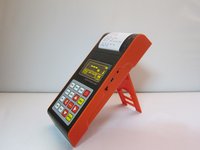
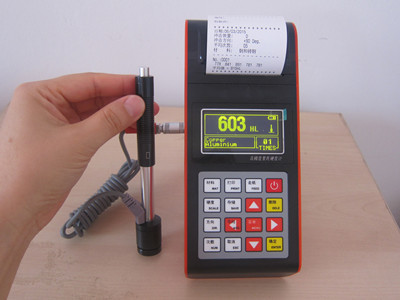
Robust Portability and User-Centric FeaturesWith a compact, handheld design and a 1.5 m probe cable, this portable tester supports one-hand operation and on-the-go testing. It boasts a backlit digital display for visibility, 360 measurement capacity, automatic power-off, and an audible alarm for out-of-limit readings. These attributes ensure quick, convenient, and precise testing anywhere in the field.
FAQ's of Portable Hardness Gauge Portable Hardness Tester for Steel:
Q: How do I calibrate the Portable Hardness Gauge for accurate measurements?
A: Calibration is user-friendly and can be done directly through the device interface. Refer to the user manual for specific steps, which typically involve using a known reference block and following the on-screen prompts to adjust the device for optimal measurement accuracy.
Q: What materials and hardness scales are supported by this tester?
A: The instrument supports a wide variety of metals, including preset options like steel, cast steel, and alloy steel. It measures hardness across multiple international scales such as HLD, HB, HRC, HRB, HV, and HS, ensuring broad compatibility with industrial standards.
Q: When should I use different impact device types (D, C, DC, DL, G, E)?
A: Select the impact device based on the application and sample type. The standard D-type suits most steel and metal structures. Other types offer specialized functions-for example, C for thin or light parts, G for coarse grains, and DL for narrow locations. Refer to product guidance for optimal probe selection.
Q: Where can the Portable Hardness Gauge be effectively used?
A: This tester is ideal for on-site hardness assessments of steel structures, machine parts, and equipment. Its portable design and manual operation make it practical in factories, workshops, construction zones, or anywhere immediate and reliable hardness measurement is essential.
Q: What is the process for conducting a hardness test with this device?
A: Begin by powering on the device, selecting the appropriate material and scale, and attaching the correct impact device. Position the probe on the test surface, trigger the measurement, and view the result on the LCD display. The device stores data automatically and can alert users to values outside preset limits.
Q: How does the data storage benefit my testing workflow?
A: With a capacity to store up to 100 measurement batches, this hardness tester simplifies recordkeeping and reduces the risk of data loss. Efficient data management enables faster reporting, historical tracking, and easier compliance with quality assurance requirements.
Q: What makes this Portable Hardness Gauge advantageous over stationary testers?
A: Its handheld and lightweight design, battery operation, and one-touch measurement process allow for flexible, rapid testing across multiple sites without special setup. The tester's wide measurement range, 360 testing, and multi-scale compatibility offer comprehensive functionality, making it a practical, cost-effective choice for diverse environments.
 English
 Spanish
 French
 German
 Italian
 Chinese (Simplified)
 Japanese
 Korean
 Arabic
 Portuguese










 Send Inquiry