Welcome to Our Company
 English
 Spanish
 French
 German
 Italian
 Chinese (Simplified)
 Japanese
 Korean
 Arabic
 Portuguese
Call Us+8613267004347


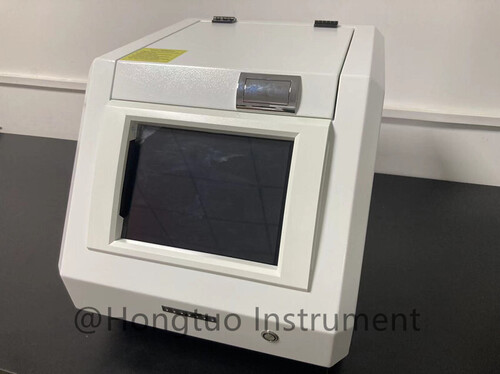
DX-600 Optical XRF Metal Alloy Spectrum Analyzer
Analysis of Precious Metals and Identification of Carats
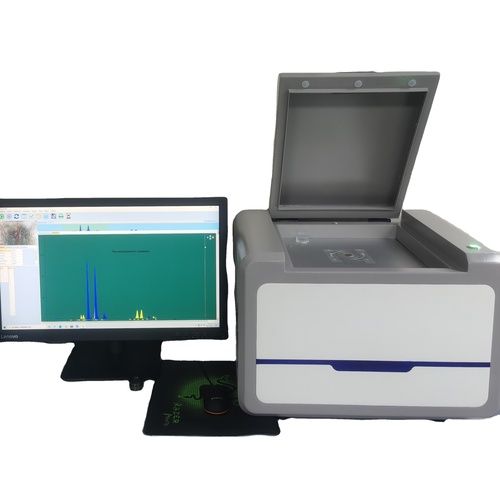
At present, the use of XRF analyzer for chemical composition analysis and purity determination of precious metals has become a widely used, extremely popular, and supported by national standards, and reliable methods. The use of XRF for the analysis of precious metals is a faster and more economical method of multi-element detection than spark test and chemical reagent testing.
The XRF Analyzer provides users with an easy-to-use, cost-effective inspection technology: no need to inspect the tool into the material of the sample being tested, or damage the sample. The chemical composition information of the alloy can be obtained.thus determines the carat rating of the sample. Whether you are buying precious metals such as gold, selling or producing jewelry, making metals, or recycling used metals, you need a quick way to determine the carat grade and other precious and non-precious metal content with extreme precision. In the first time, to effectively control product quality, set a reasonable price. The xrf analyzer quickly provides accurate analysis of all types of samples.
Advantages and Characteristics of Analysis
1.Element measuring range:Au,Ag,Cu,Pt,Pd,Ir,Cd
2.Measuring accuracy:0.1%
3.Testing specimen:solids,liquids,and powders
4.Light tube overheating protection
5.High voltage overvoltage protection
6.Actual focus: 5mm
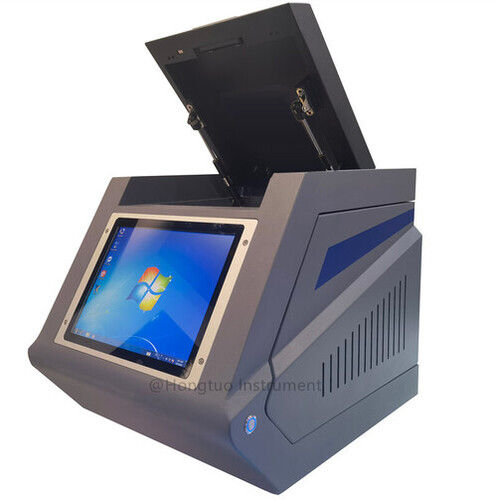
7.Built-in industrial computer and touch screen
8.Install radiation protection device,proactively protect operator safety
9.Program-controlled preheating and anti-radiation interference.ensure stable and accurate test results
Instrument Performance and Configuration
Voltage: AC100-240V,50hz
Packing dimension: 560*530*510mm
Machine dimension: 410*500*430mm
Chamber size: 306*248*124mm
Weight(N/G): 33KG/45KG
Detector: Proportional counter tube
Built-in computer: Built-in industrial computer
High voltage: 0-50KV/0-1mA
Light Tube: 50KV/1mA
Collimator: 2.5mm
Temperature: -11-46 degree

Price:








 Send Inquiry