Product Description
Technical parameters:
1. Test temperature and time: -70 degrees (normally more than 1 hour) cooling time is short, no water cooling is required, more environmentally friendly;
2. Cooling speed: 0 -30 1.2/min
-30 -40 1/min
-40 -70 0.7/min;
3. Impact speed: 2m/s0.2m/s;
4. After constant temperature, temperature fluctuation <0.5, small fluctuation, more accurate temperature control;
5. Distance from the center of the impactor to the lower end of the clamp: 110.5mm;
6. Maximum dimensions: 900505950mm (lengthheightwidth);
7. Effective space of the studio: 160140100mm (lengthheightwidth);
8. Power: 800W, the power is smaller, and the compressor will automatically stop after reaching the temperature, which is more environmentally friendly and energy-saving.
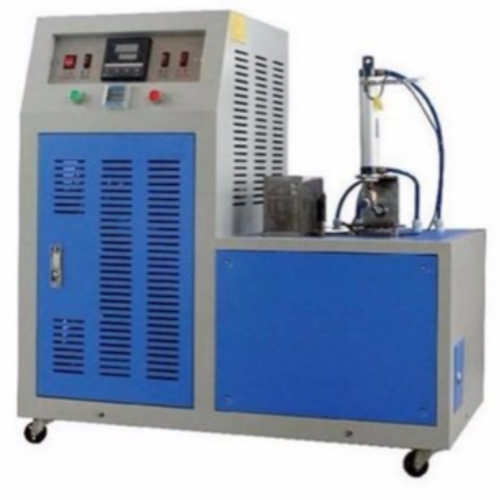
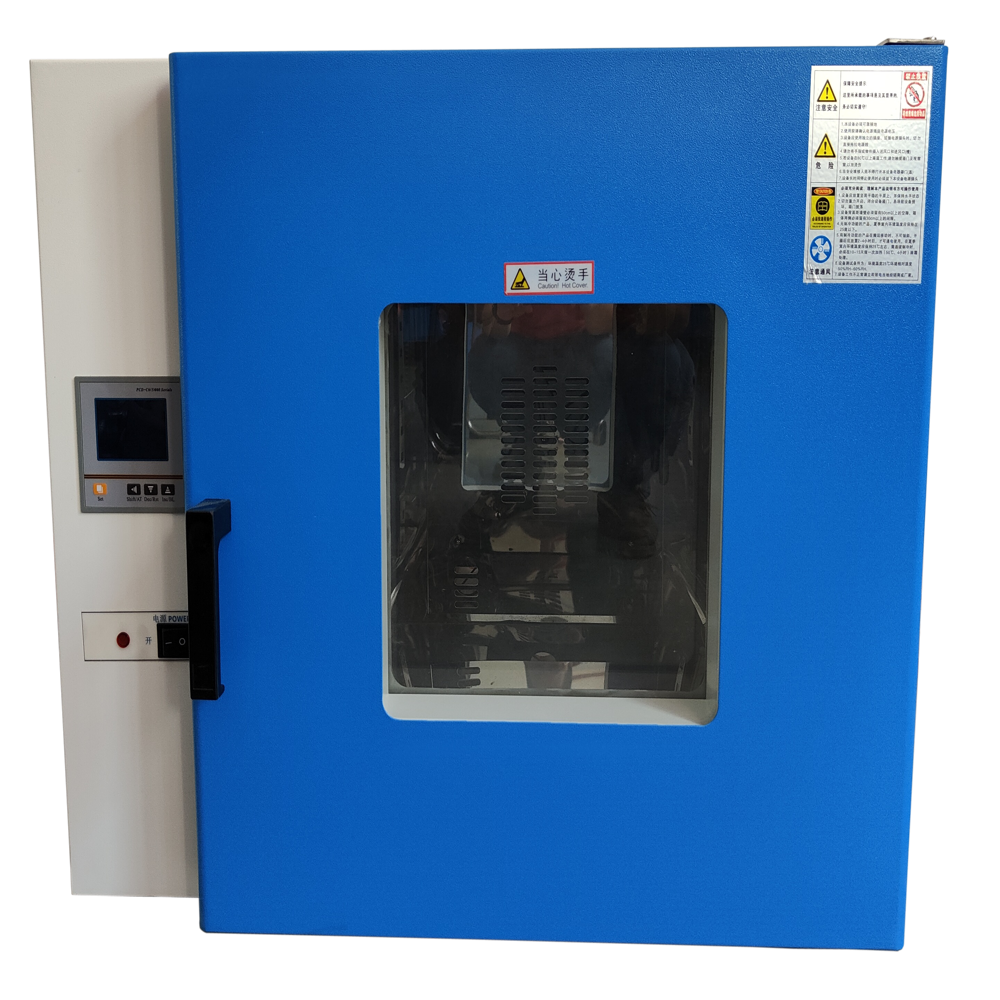
Precision Low Temperature Brittleness TestingEngineered for laboratory and industrial applications, this low temperature brittleness tester delivers highly accurate measurements with a temperature accuracy of 0.5C and a uniformity of 1C. The robust digital interface and programmable settings enable consistent, reliable testing, ensuring compliance with major international standards.
Energy-Efficient Hermetic Cooling SystemThe tester utilizes a hermetic refrigeration compressor and direct liquid cooling with alcohol or ethylene glycol, enabling rapid cooling to -70C. This design optimizes energy use while maintaining low noise levels (65 dB), supporting efficient and quiet laboratory operations.
User-Friendly Digital ControlA digital LED display, intuitive control panel, and programmable features allow users to operate and monitor the testing process with ease. The semi-automatic system and floor-standing design enhance usability, making the tester suitable for a wide range of laboratory environments.
FAQ's of Low Temperature Brittleness Tester for Rubber and Plastic Materials:
Q: How does the Low Temperature Brittleness Tester perform tests on rubber and plastic materials?
A: The tester cools specimens to sub-zero temperatures using a hermetic refrigeration compressor and an alcohol or ethylene glycol bath. The digital control panel manages the temperature and timer, while a stainless steel holder secures up to five specimens during automated impact testing as per ISO 812 and GB/T 1682-2014 standards.
Q: What are the requirements for operating the tester safely and efficiently?
A: Install the equipment indoors in a well-ventilated laboratory or industrial environment. Ensure a stable 220V, 50Hz power supply, maintain humidity below 85% RH, and have an air inlet pressure of 0.2 to 0.3 MPa. The machine's safety features, including over-temperature and over-current protection, further enhance operational reliability.
Q: When should I calibrate or perform maintenance on this equipment?
A: Calibration should follow your laboratory's quality management schedule, typically at regular intervals or before critical testing batches. Routine maintenance, such as checking the cooling medium and ensuring clean air inlets, prolongs equipment lifespan. The machine comes with a one-year warranty for added assurance.
Q: Where can this tester be used and what industries benefit from it?
A: This test instrument is ideal for research laboratories, quality control departments, and production facilities involved in manufacturing or evaluating rubber and plastic materials. It supports both research and industrial applications requiring precise measurement of material brittleness at low temperatures.
Q: What is the testing process, and how many samples can be tested in one batch?
A: The process involves preparing specimens (25 mm 6 mm 2 mm), loading up to five at a time into the stainless steel holder, setting the desired temperature and timer, and initiating the automated test. The machine efficiently completes impact tests, providing digital readouts of results within minutes.
Q: How does this tester ensure accurate and reproducible results?
A: With a temperature accuracy of 0.5C, resolution of 0.1C, and uniformity of 1C, the tester minimizes variability. Its programmable control and digital readout system help achieve consistent, repeatable testing across multiple batches.
Q: What are the key benefits of using this programmable low temperature brittleness tester?
A: The tester offers rapid cooling, precise digital controls, energy-efficient operation, robust safety features, and high-throughput testing. It ensures reliable compliance with international standards, facilitates ease of use, and supports both laboratory research and industrial quality control.
 English
 Spanish
 French
 German
 Italian
 Chinese (Simplified)
 Japanese
 Korean
 Arabic
 Portuguese









 Send Inquiry
