Product Description
Application:
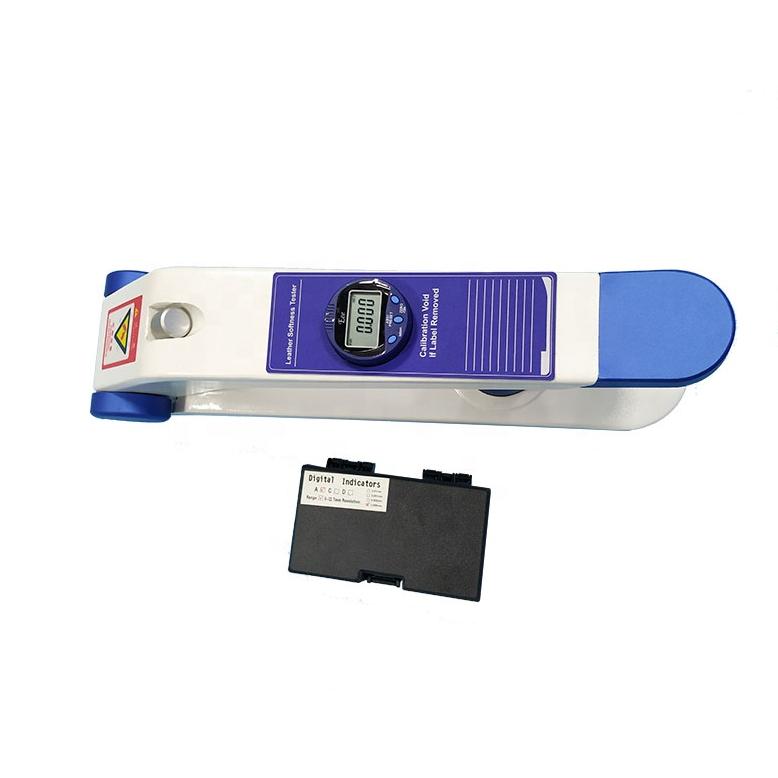
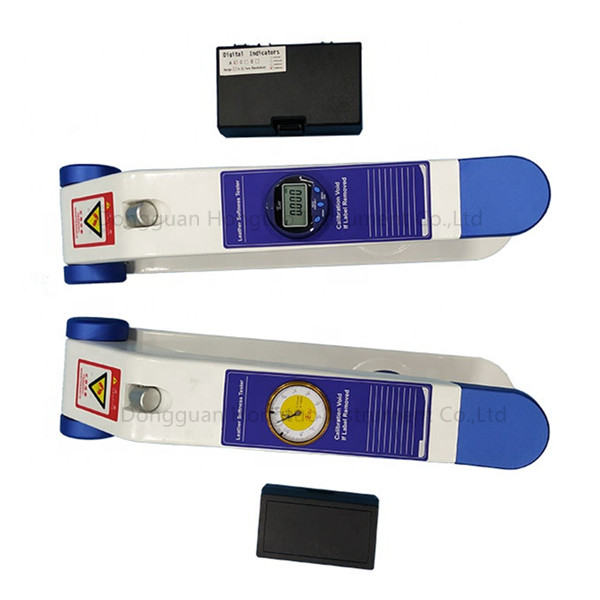
Measure the softness of leather and animal skins to know whether the softness and hardness of the same batch of leather is uniform or the softness difference of each part of a single piece of leather.
Standards:
IULTCS.IUP 136
Specification:
|
Model
|
HT-136
|
|
Load
|
53010g(by a small pneumatic control value drive)
|
|
Amount table
|
0.1-10mm
|
|
Volume
|
136*485*168mm
|
|
Weight
|
5.3kg
|
|
Configuration
|
Standard Test ring diameter 20mm and 25 mm each one
|
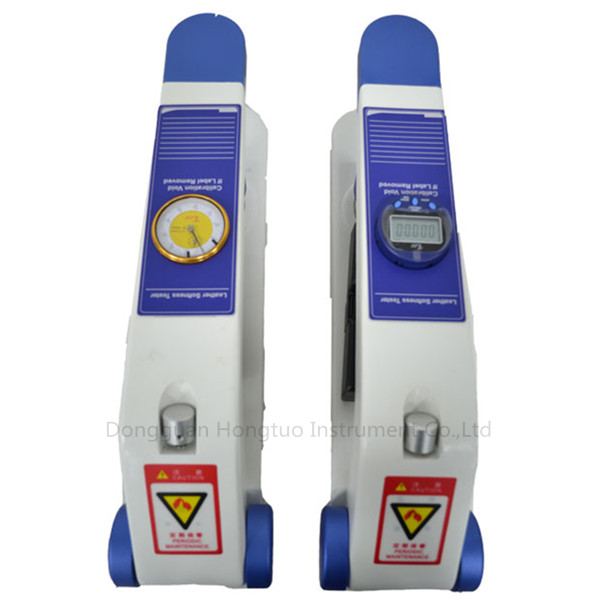
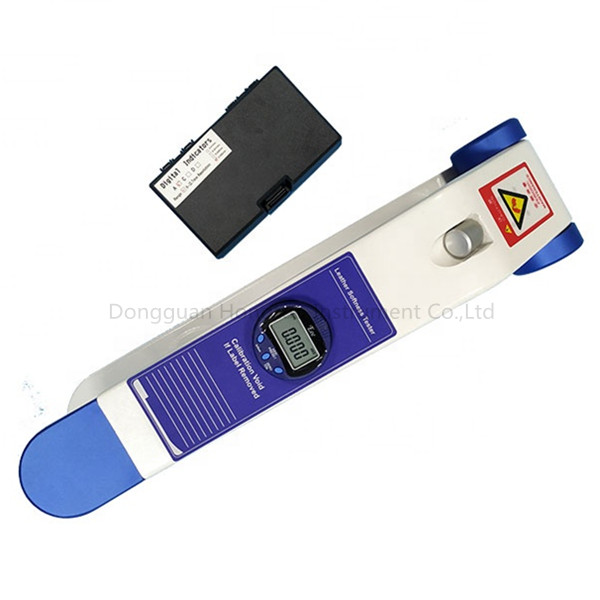
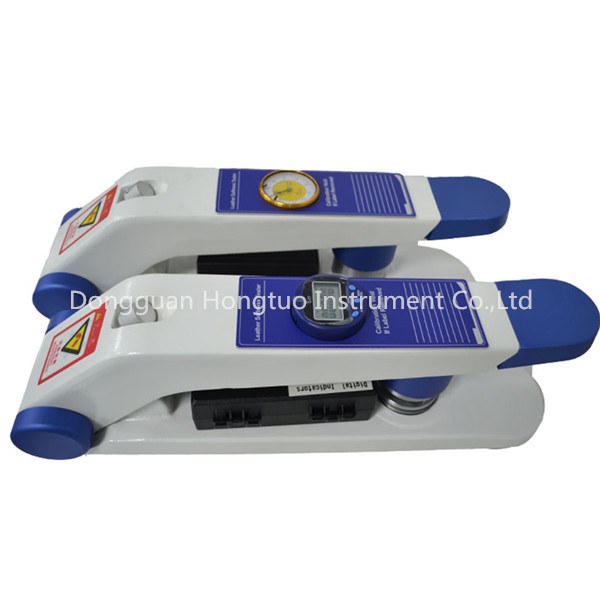
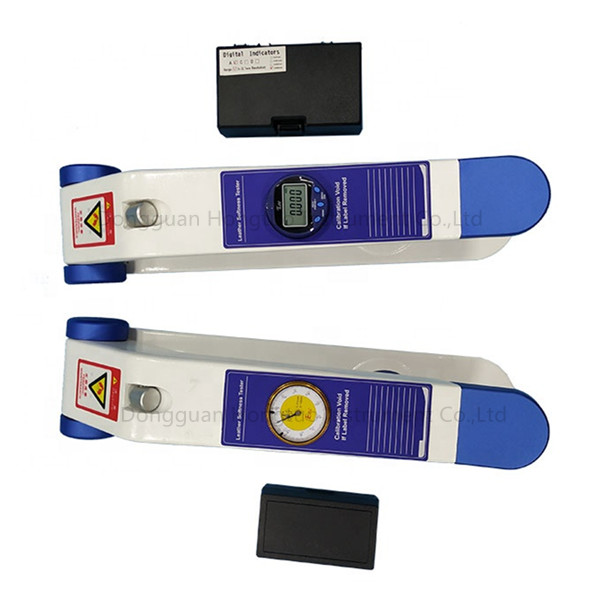
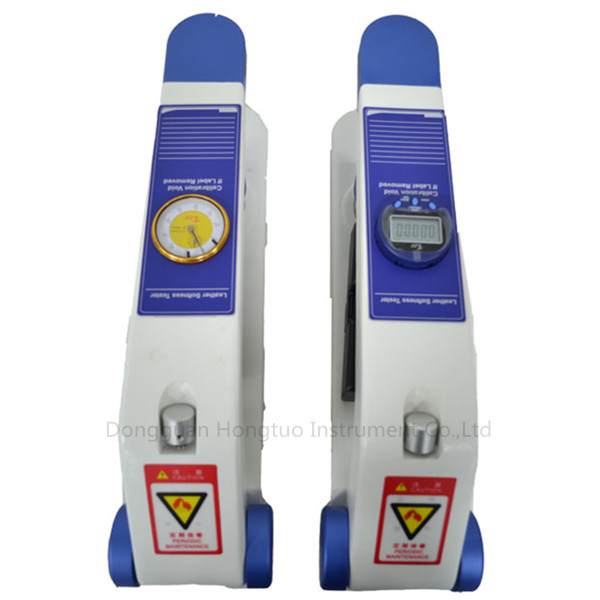
Precision Softness MeasurementEngineered for accuracy, the HT-136 Leather Softness Tester offers precise softness measurements for industries that require strict material quality control. Its measuring range spans 0-10 mm, with 0.01 mm resolution, allowing manufacturers, suppliers, and quality inspectors to evaluate the flexibility of leather and similar materials with confidence.
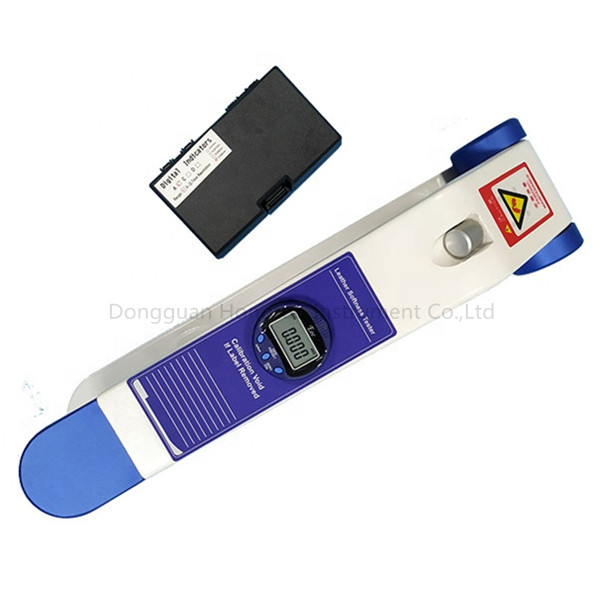
Effortless Digital OperationThe digital indicator equips the user with zero reset and hold functions, ensuring readings are simple to capture and transfer. Instant readout on the digital LCD display eliminates guesswork and minimizes human error, making the device ideal for both new and experienced operators.
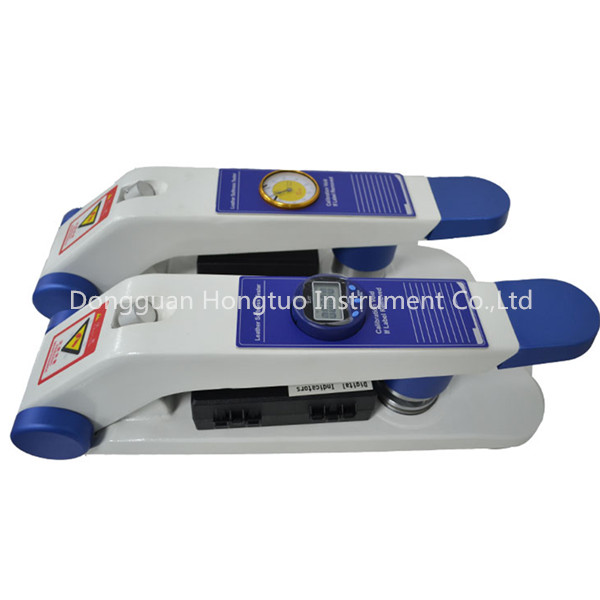
Designed for Portability and ErgonomicsAt just 1.2 kg, the HT-136 is lightweight and handheld, making it practical for use on the go. Its ergonomic design, reinforced by non-slip rubber ends, guarantees secure handling and precise specimen placement during every test. The boxed kit includes everything needed for immediate operation.
FAQ's of Leather Softness Tester Machine HT-136:
Q: How do I use the HT-136 Leather Softness Tester to measure a specimen?
A: To measure a specimen, simply place the standard leather sample (recommended size: 30 mm x 30 mm) between the jaws, close the device, and view the softness reading instantly on the digital LCD display. If needed, use the zero reset and hold functions for accurate data recording.
Q: What types of materials can the HT-136 tester be used for?
A: The HT-136 is suitable for measuring softness in natural leather, synthetic leather, and other flexible sheet materials, making it versatile for different industries, including footwear, upholstery, and automotive sectors.
Q: When should the tester be calibrated and how is this done?
A: Calibration should be performed regularly or whenever accuracy is in question. The tester comes with a calibration block: place it between the jaws and follow the manual's instructions to ensure proper calibration before measurements.
Q: Where can the HT-136 Leather Softness Tester be operated?
A: This device is portable and can be used in laboratories, factories, or in the field. Recommended operating conditions are within 10C to 35C temperature and 10%-90% relative humidity range for optimal performance.
Q: What is the process for reading and recording a measurement with the HT-136?
A: The process involves placing the specimen, closing the device, and immediately reading the measurement on the digital display. The hold function allows you to retain the measurement on the screen for easy recording or transfer.
Q: What are the key benefits of using the HT-136 tester in quality control?
A: Key benefits include fast, accurate measurements, easy operation, ISO 17235 compliance, and portable, battery-powered digital indication-enabling efficient on-site or in-lab testing for consistent material quality assurance.
 English
 Spanish
 French
 German
 Italian
 Chinese (Simplified)
 Japanese
 Korean
 Arabic
 Portuguese










 Send Inquiry
