Product Description
Technical Features
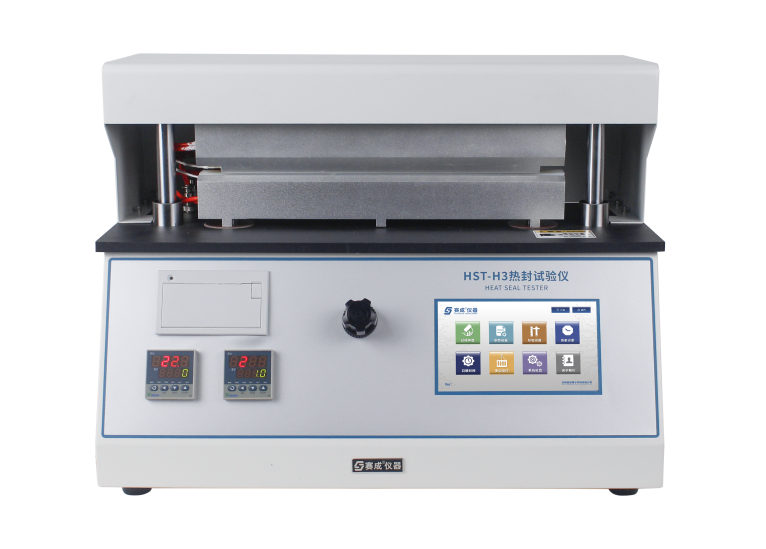
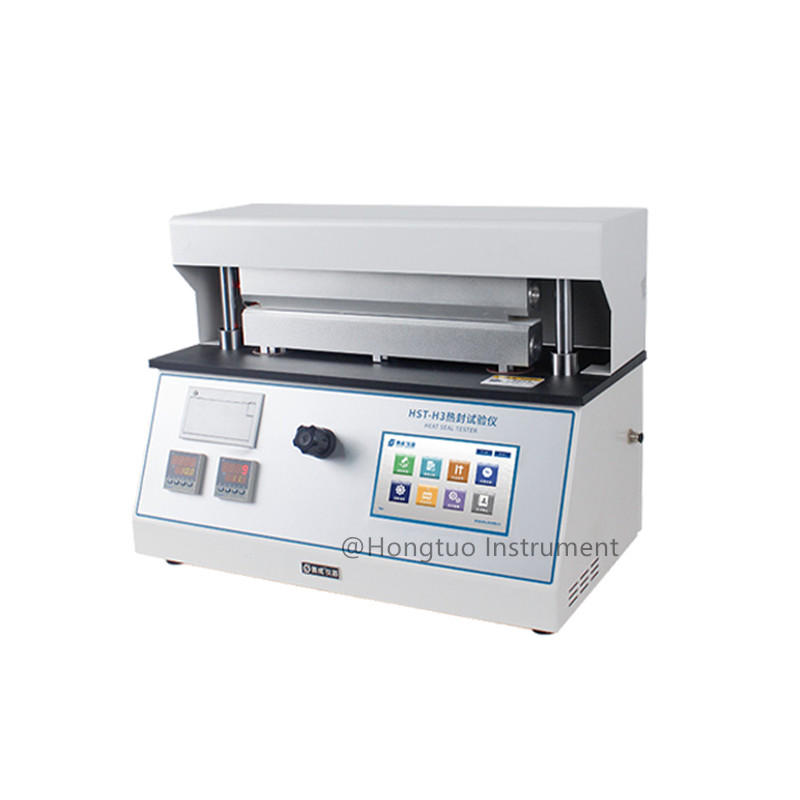
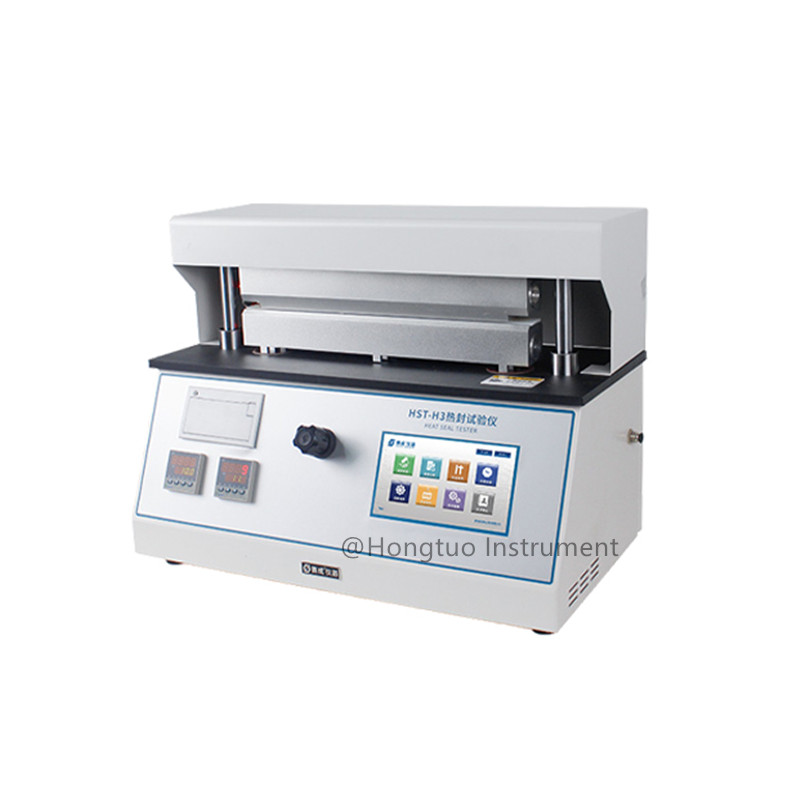
l Micro computer control, large LCD display, PVC operation panel and menu interface.
l Self-innovated "constant temperature control" system improved the temperature accuracy.
l Underneath type of gas cylinders ensure stable pressure during the test process.
l The aluminum-encapsulated sealing jaws provide even and uniform temperature for different sealing surfaces
l The upper and lower jaws could control the temperature independently, and the super long thermal cover design can meet the needs of different customers
l Double start mode of manual and foot switch makes the test safe and convenient.
l Embedded micro printer can print the test result quickly.
Technical Data Sheet
|
Model
Item
|
DH-HST-H3 Heat Seal Tester
|
|
Heat Sealing Temperature
|
Room temperature 300
|
|
Temperature Control Accuracy
|
0.2
|
|
Sealing Time
|
0.1999.9s
|
|
Sealing Pressure
|
0.05MPa0.7MPa (out of supply scope)
|
|
Sealing Area
|
330mm10mmCustomization is available
|
|
Heating Form
|
Double heating (single heating optional)
|
|
Port Size
|
6mm Polyurethane tube
|
|
Power Supply
|
220 V/50Hz
|
|
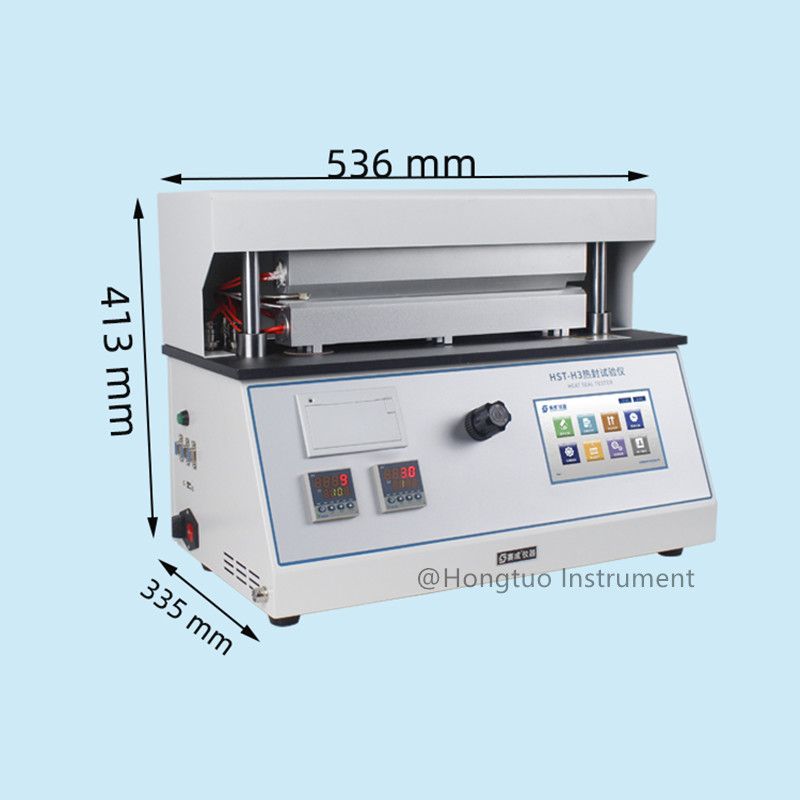
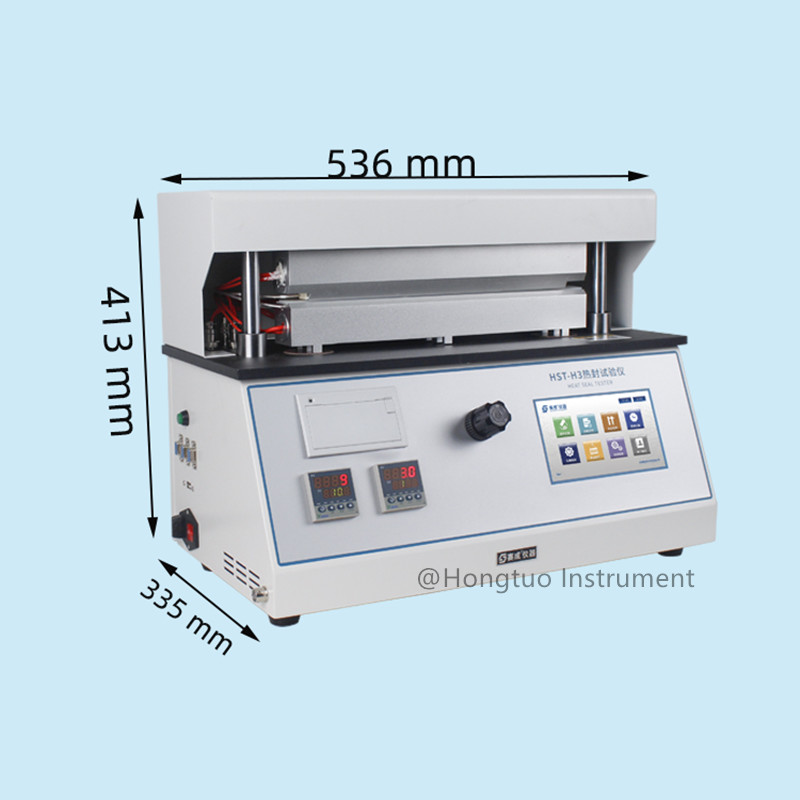
Instrument Dimension
|
536 mm (L)335 mm (W)413 mm (H)
|
|
Net Weight
|
40kg
|
Configuration
|
Standard
|
Instrument, Pedal Switch, Micro Printer
|
|
Optional
|
Professional Software, Communication Cable
|
|
Note
|
1. The air source interface of this machine is 6mm polyurethane pipe;
2. The air source is provided by the user.
|
Precise and Customizable Seal TestingDesigned for professional packaging laboratories and manufacturers, this Heat Seal Tester enables precise evaluation of sealing strength under customizable parameters. The system is engineered to test a variety of materials, with adjustments for sealing temperature, pressure, and dwell time via its intuitive touchscreen control. Custom jaw sizes accommodate specialized specimen requirements, expanding its versatility.
Advanced Data Management and SafetyEquipped with built-in memory and USB/RS232 export options, data handling is streamlined for traceability and reporting. Multiple language support enhances accessibility, and embedded safety features like over-temperature protection and emergency stop ensure both operator and specimen safety during test cycles.
Automation and EfficiencySemi-automated with pneumatic control and programmable touch screen operation, the tester speeds up repeatable test setups. Automatic and manual calibration options guarantee accuracy, while features such as fast heating, precise timing, and forced or natural cooling broaden its testing capability for a wide range of packaging films.
FAQ's of Heat Seal Tester for Packaging Film Testing:
Q: How does the Heat Seal Tester work for packaging film testing?
A: The Heat Seal Tester employs an electric thermal rod and pneumatic pressure system to seal packaging film specimens between customized jaws under controlled conditions. Users set parameters such as temperature, pressure, and sealing time through the touchscreen PLC, after which the machine automatically conducts the test and stores the results.
Q: What types of materials can be tested using this equipment?
A: This tester is suitable for packaging films, multi-layer laminates, coated paper, and aluminum foil, providing accurate assessment of their heat sealing properties according to user-defined settings.
Q: When should I use natural vs. forced air cooling?
A: Natural cooling is ideal for standard heat seal strength evaluations where gradual temperature return is acceptable. Forced air cooling should be selected for rapid throughput or when precise cooling rates are critical to the integrity of test results.
Q: Where can the data from seal tests be accessed and exported?
A: Data from each test is stored in the internal memory and can be conveniently exported via USB or RS232 interface. This function ensures easy transfer to laboratory information management systems or for external analysis.
Q: What is the process for calibrating the machine?
A: Calibration can be initiated automatically via pre-set routines or performed manually by the user using the touchscreen interface, allowing for exact tuning of temperature and pressure to maintain test accuracy in accordance with laboratory standards.
Q: What benefits does the programmable touchscreen and automation provide?
A: The programmable touchscreen PLC simplifies test setup and repeatability, reduces manual intervention, and allows users to store, recall, and modify test programs for increased efficiency and dependable results.
Q: How does the safety system protect both the operator and specimens?
A: Key safety features include over-temperature protection, which shuts off heating if unsafe conditions are detected, and an emergency stop button for immediate operation halt, contributing to equipment, specimen, and user safety.
 English
 Spanish
 French
 German
 Italian
 Chinese (Simplified)
 Japanese
 Korean
 Arabic
 Portuguese










 Send Inquiry
