Product Description
Introduction:
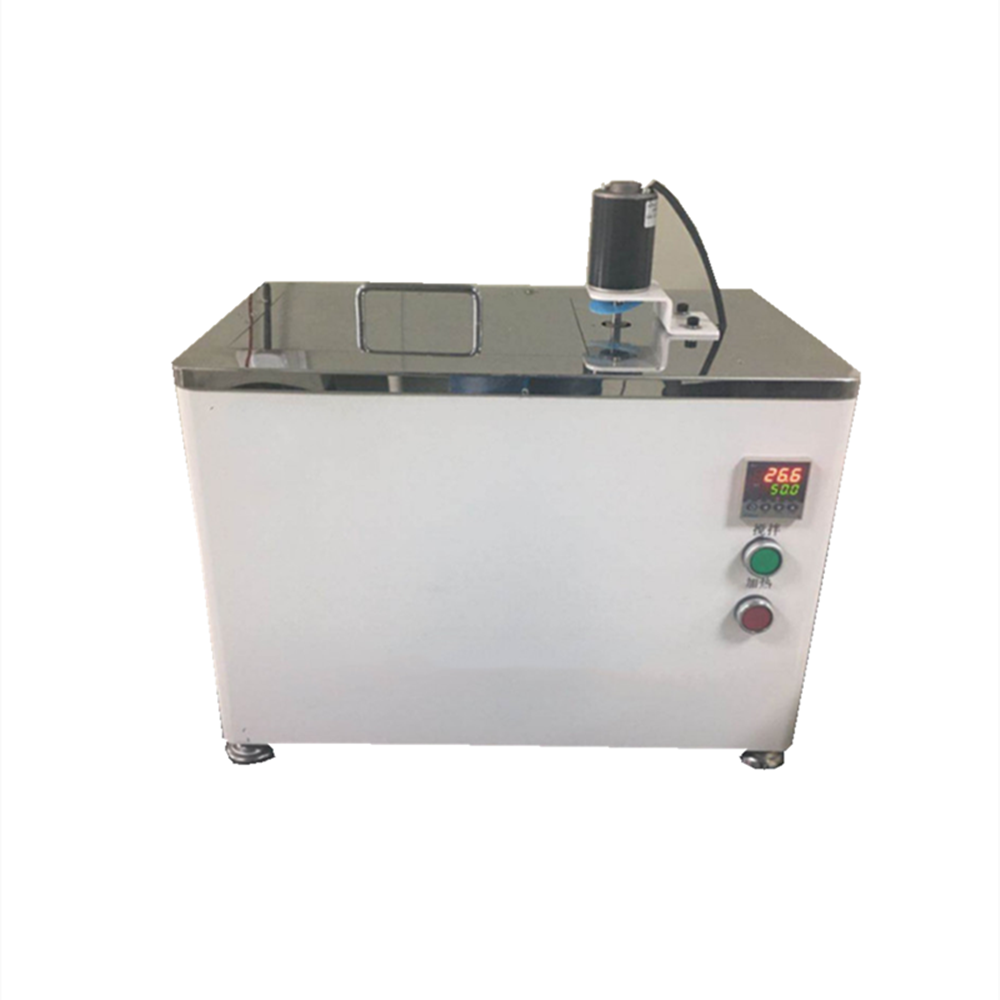
According to the test device recommended by GB/T1842-2008 and ASTMD1693:1997 "Polyethylene Plastic Environmental Stress Cracking Test Method", a set of experimental device for polyethylene plastic environmental stress cracking test was designed. This test device retains the technical requirements of the prototype device and has some innovations in structure.
Features:
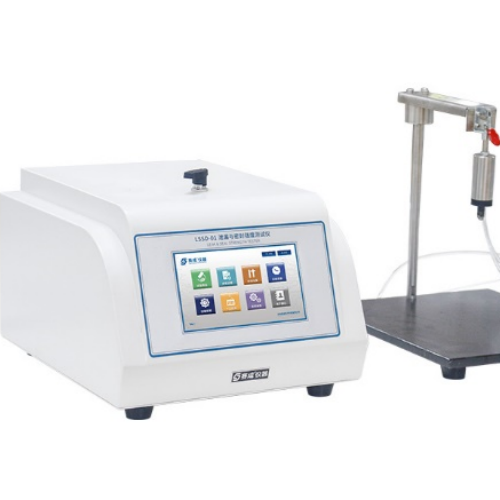
The whole set of test equipment consists of five sets of devices: sample holder, sample device, sample bending device, sample transfer clamp, and constant temperature bath. The equipment has perfect structure and advanced technology.
Technical Parameter:
1. Constant temperature: 500.5, 1000.5;
2. Heater: 2.0KW;
3. Power supply: single-phase three-wire, 22010%VAC 50HZ.
Configuration:
1. Constant temperature bath, one set;
2. Scoring device, one set;
3. Bending device, one set;
4. Sample transfer clamp, one set;
5. Sample holders, three sets;
6. Large test tubes, three sets;
7. Test tube stoppers, three sets;
8. Bakelite stoppers, three sets.
Advanced Environmental Stress Testing for PlasticsDesigned for reliable stress-cracking resistance analysis, this tester is ideal for manufacturers, exporters, and research labs. With configurable parameters, digital control, high sample capacity, and compliance with leading ASTM and ISO standards, it provides precise, repeatable results. Its robust stainless steel construction and flexible sample holding enable compatibility with a broad range of plastic materials.
Efficient Operation and User-Friendly ControlsThe system features a digital LED display and intuitive push-button interface for easy programming of all test parameters-temperature, cycle duration, and specimen details. The integrated safety features, such as over-temperature alarms, and optional data logging capabilities, enhance laboratory workflow and promote consistent, safe testing outcomes.
FAQ's of Environmental Stress Cracking Tester for Plastic Material Testing:
Q: How does the Environmental Stress Cracking Tester operate for plastic sample testing?
A: This tester uses an immersion heater and PT100 temperature sensor within a stainless steel tank to maintain precise test conditions. Samples are held in chemically resistant holders, and test parameters-including temperature, time, and test speed-are set via the digital controller. The machine automatically runs test cycles according to configured settings, with real-time monitoring and safety alarms.
Q: What safety features are provided with this stress cracking tester?
A: The instrument is equipped with over-temperature cut-off and alarm systems to prevent overheating and ensure safe operation. Additionally, its stainless steel construction contributes to corrosion resistance, while secure sample holders minimize the risk of chemical exposure.
Q: When should I use the Environmental Stress Cracking Tester in product development or quality control?
A: Use this tester during the research, development, and quality assurance stages to assess how plastic materials or components respond to environmental stress and cracking. It is particularly beneficial before large-scale manufacturing or for product certification to ASTM D1693 and ISO 22088-2 standards.
Q: Where can the Environmental Stress Cracking Tester be installed and used?
A: This benchtop tester is suitable for laboratory, industrial, or quality assurance environments. Its compact design, standard laboratory port connections, and moderate weight (30-50 kg) make it easy to accommodate in most facilities.
Q: What is the process for testing with this instrument?
A: Samples-up to 10 per batch-are prepared to standard or custom dimensions, mounted in holders, and placed in the stainless steel tank. Test parameters such as temperature, speed, and duration are set digitally. The instrument then automatically manages the testing process, with optional data logging available via external ports.
Q: How does this tester benefit plastic material testing?
A: By providing automated, repeatable, and standards-compliant testing with high accuracy (0.1C), the system allows labs to quantify stress crack resistance effectively. Its multiple sample capacity and user-friendly controls increase lab productivity and reliability of results.
Q: What support and compliance features come with the tester?
A: Onsite installation and operator training are available. The equipment is environmentally compliant, meeting ASTM D1693 and ISO 22088-2 requirements, and offers optional features like data logging and external chiller integration for expanded capabilities.
 English
 Spanish
 French
 German
 Italian
 Chinese (Simplified)
 Japanese
 Korean
 Arabic
 Portuguese









 Send Inquiry
