Product Description
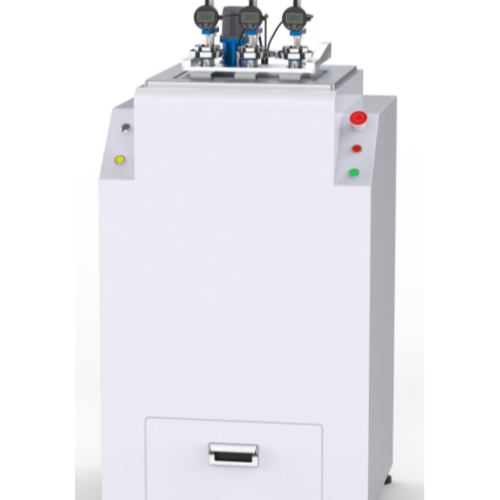
DuPont Impact Tester HT-794
Overview
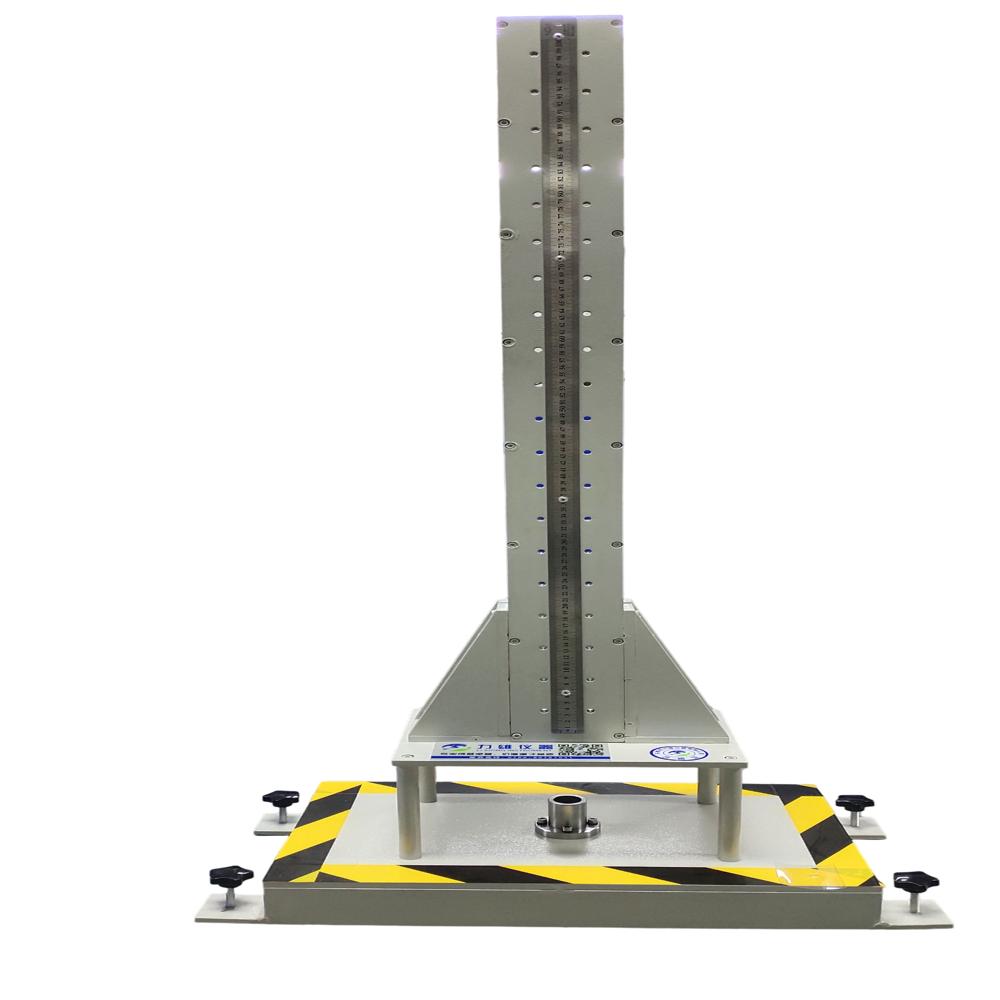
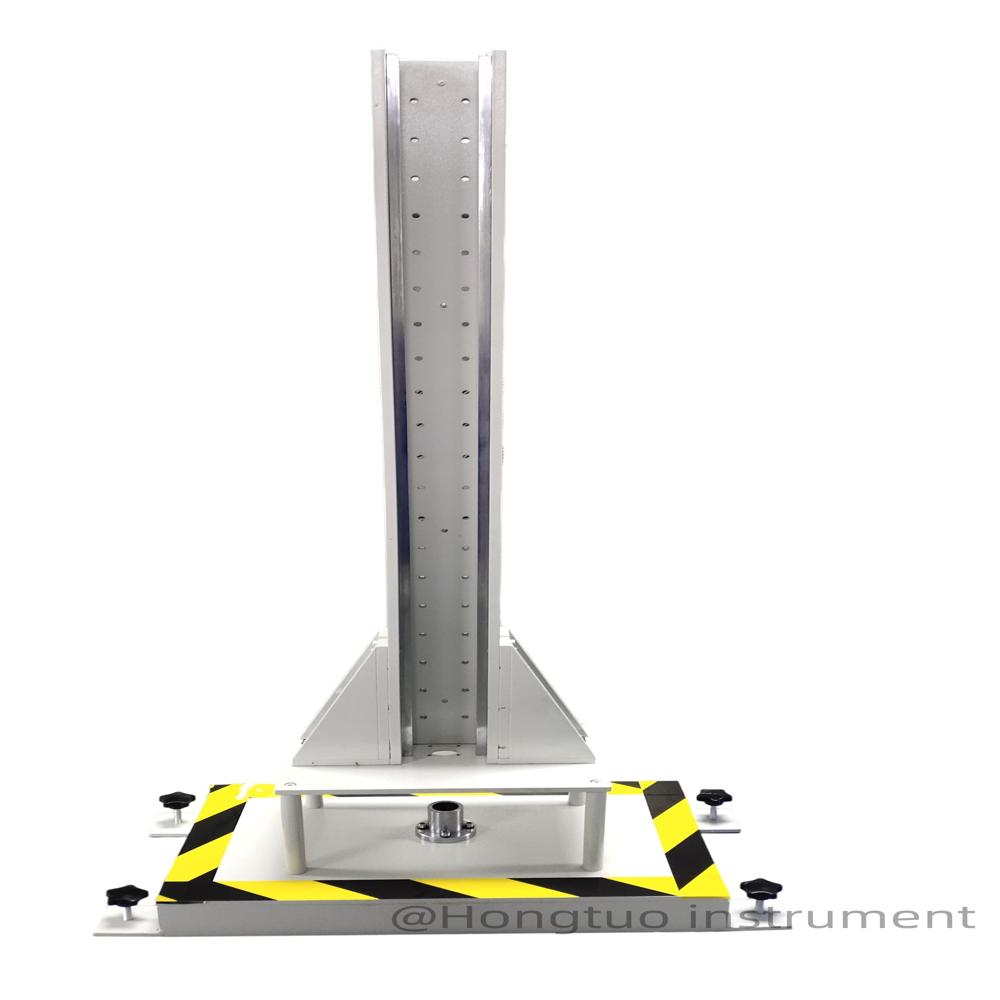
The DuPont impact tester is designed to evaluate the impact resistance of plastic, PVC, and coating specimens. The specimen is placed beneath the impact head; a weight is dropped from a specified height to strike the specimen, after which the extent of damage, deformation, or peeling is examined.
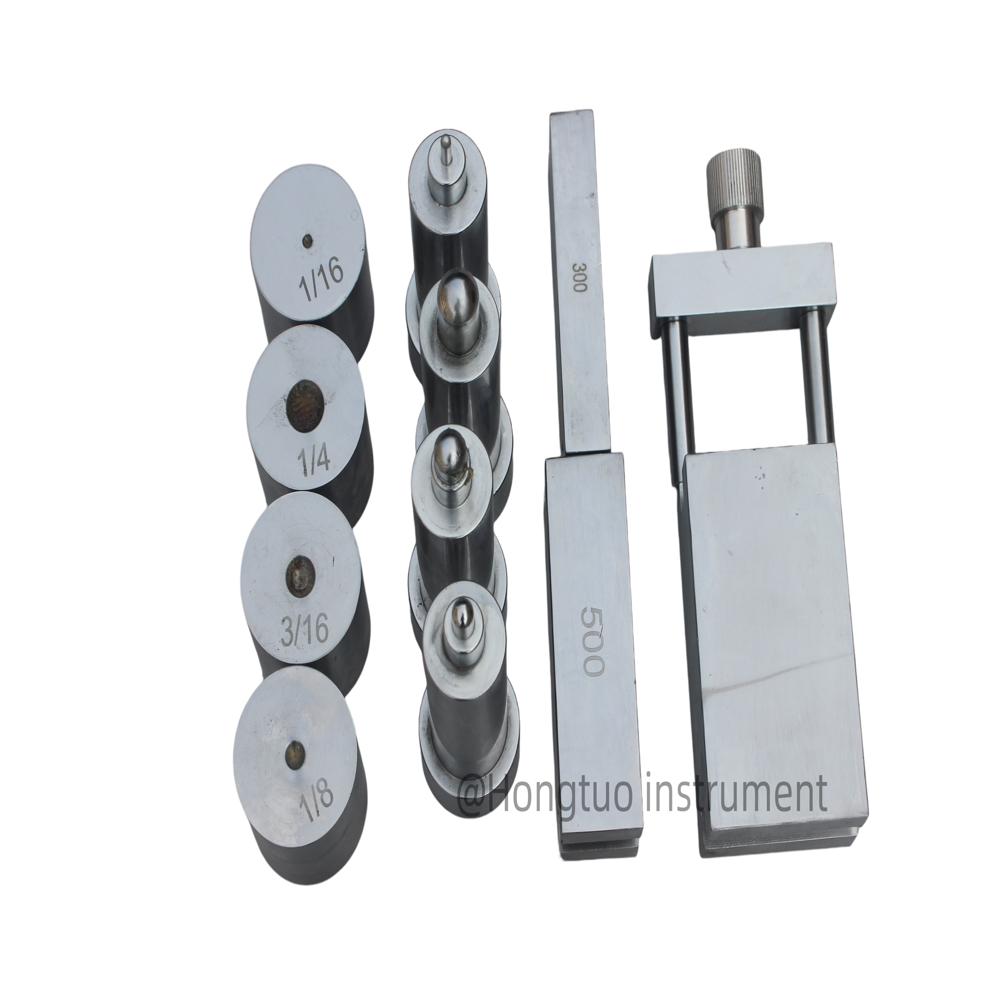
The machine's design complies with various international standards; the appropriate impact head can be selected based on specific testing requirements.
Principle: A weight of specified mass is adjusted to a set height and allowed to fall freely, striking the specimen so that the resulting damage can be assessed.
Standards
Complies with JIS-K5400, K5600, and ASTM-D2794 standards.
Test steps
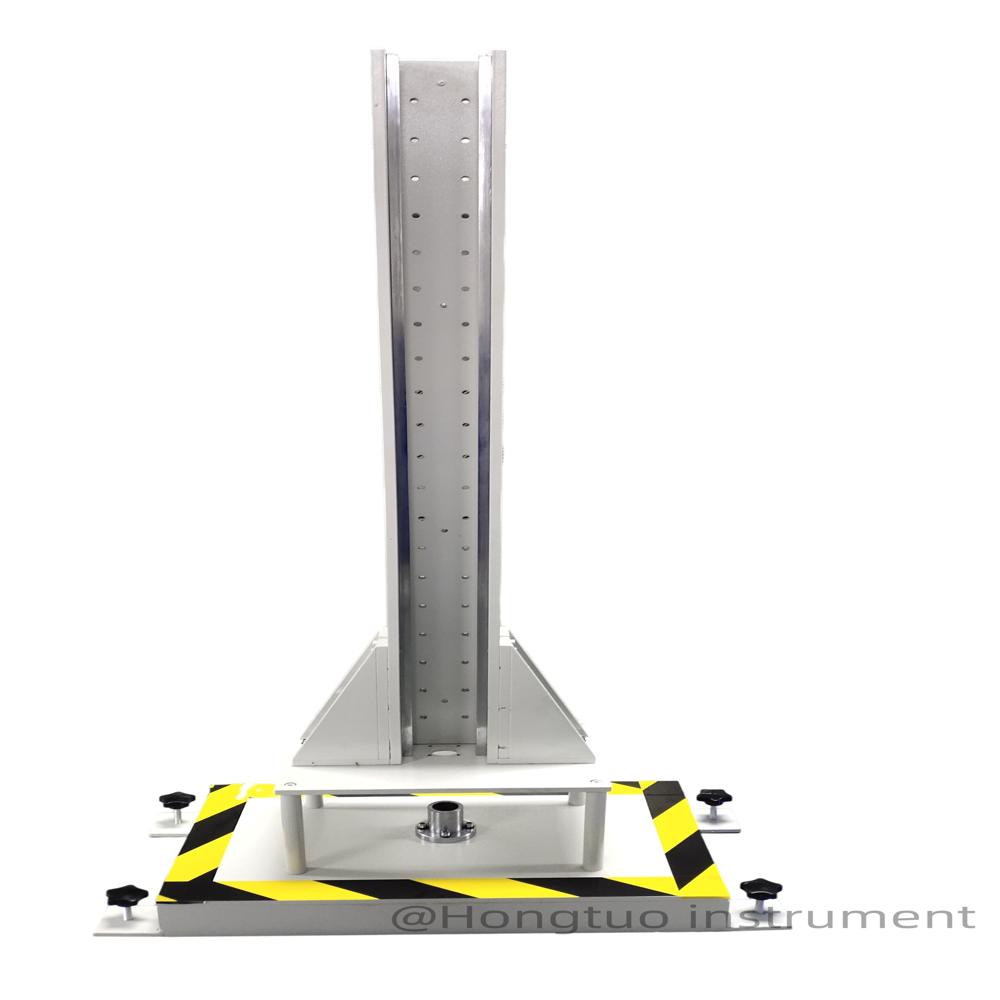
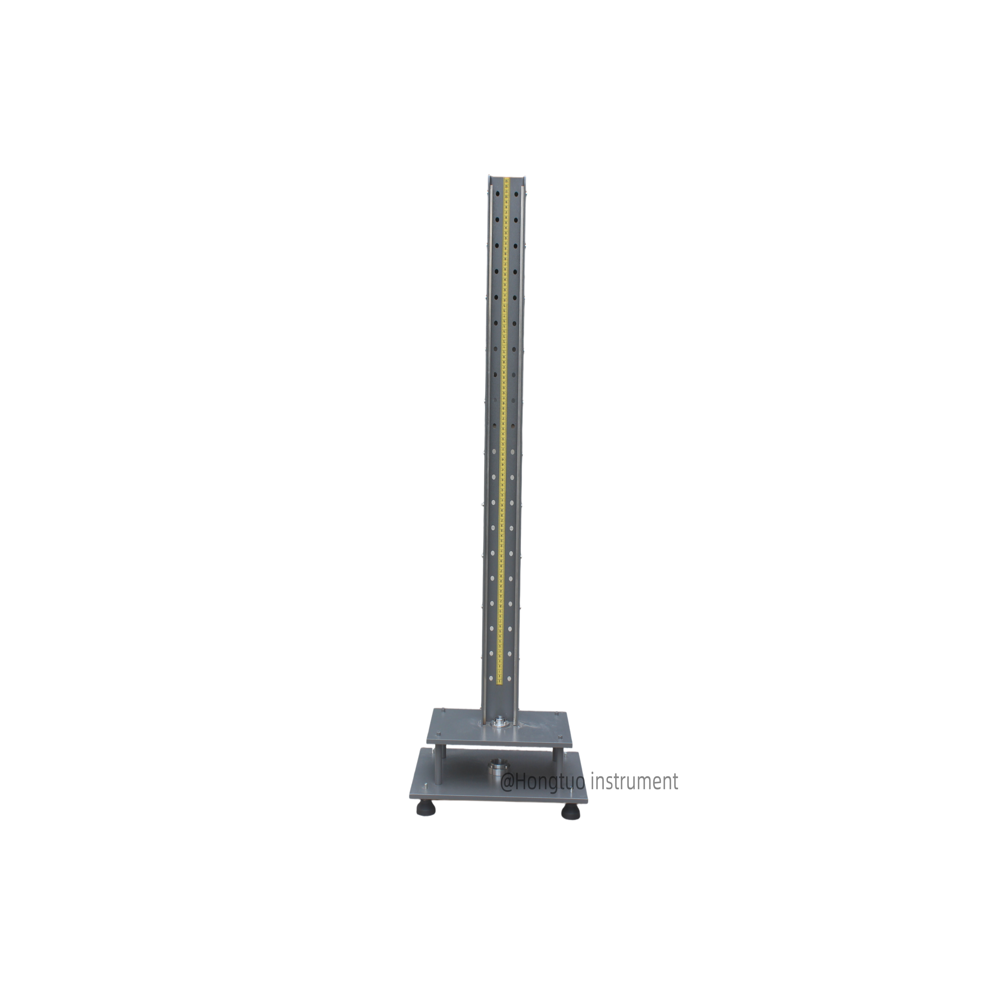
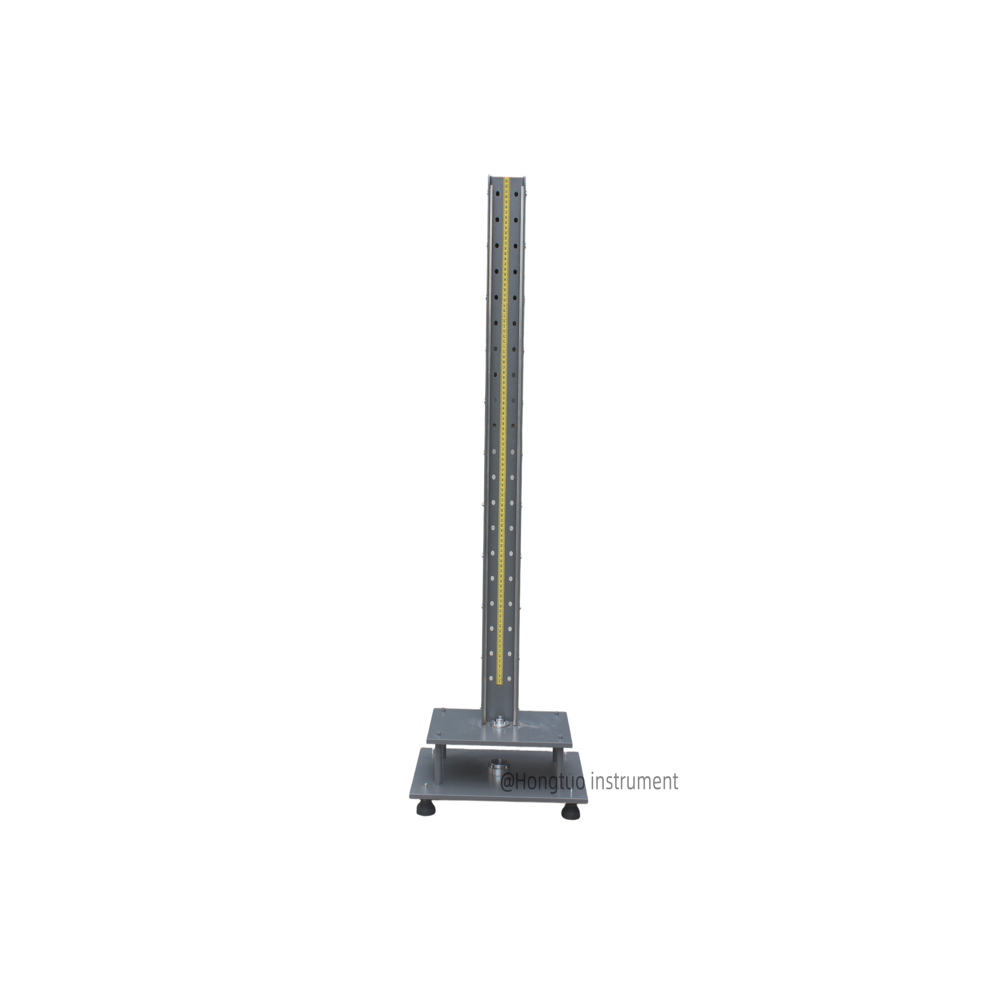
1. Raise the support plate along the shaft to the required testing height and tighten the locking screws to secure it in place.
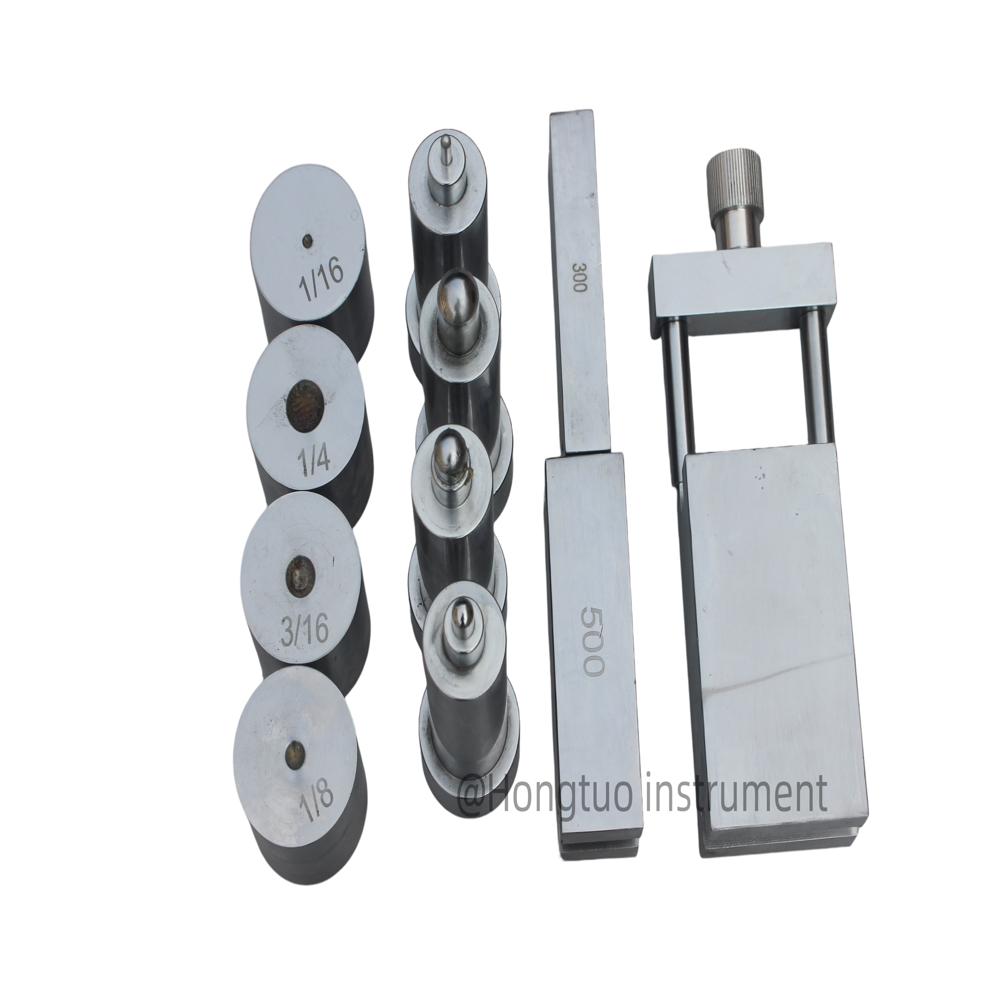
2. Operate the lever to position the weights on the support plate, adjusting the total weight as required by the test specifications.
3. Insert the impactor into the guide sleeve.
4. Place the impact base into the retaining ring opening on the fixed plate.
5. Select the test specimen according to the test requirements and place it on the impact base, ensuring the impactor rests freely against the specimen.
6. Pull the lever outward to release the support plate; the weights will fall freely and strike the impactor, subjecting the specimen to the predetermined impact force and causing deformation.
7. Remove the specimen and measure the height at its lowest point using a scale; this measurement represents the gap at the point of impact deformation.
Reliable Impact Resistance TestingThe DuPont Impact Tester HT-794 is designed for precise assessment of impact resistance on thin materials such as films, coatings, and sheets. Its adjustable drop height and gravity-driven mechanism provide instant results, while the standard DuPont ball head ensures consistent impact application. This makes the tester an essential instrument in quality control workflows where material durability needs to be verified under controlled conditions.
User-focused Safety FeaturesEngineered with safety in mind, the tester includes corner guards and anti-slip base adjusters, minimizing both material slippage and operator risk during testing. The stable anodized aluminum alloy base further enhances reliable operation. Manual clamping and locking mechanisms keep specimens secure and users protected throughout repeated impact tests.
Compliance and VersatilityThe HT-794 is compliant with ASTM D2794 and ISO 6272, guaranteeing that your tests are internationally recognized. Its versatile design makes it suitable for laboratories, manufacturing floors, and research institutions. The powder coated/anodized finish, durable construction, and manual/bench mounting options mean that it adapts easily to a range of environments and testing protocols.
FAQ's of DuPont Impact Tester HT-794:
Q: How does the DuPont Impact Tester HT-794 operate?
A: The HT-794 operates manually using a gravity-driven drop system, where a weight with a standard DuPont ball head is released via a pin release mechanism with a lock. This design ensures consistent, power-free operation under various conditions.
Q: What types of materials can be tested with this impact tester?
A: This equipment is suitable for testing thin materials-including polymer films, coatings, and sheet materials-for their impact resistance. It is particularly effective for flexible materials up to 150 mm x 150 mm in size.
Q: When should I use the DuPont Impact Tester HT-794?
A: Use the tester during quality control processes to determine a material's ability to withstand impact, or during research and development to assess new material formulations in compliance with ASTM D2794 and ISO 6272 standards.
Q: Where can this impact tester be installed or mounted?
A: The DuPont Impact Tester HT-794 can be used as a floor-standing or bench-top device, providing flexibility to fit a variety of laboratory or production environments.
Q: What is the testing process with this device?
A: Insert your prepared specimen onto the stable anodized base, secure it with the safety clamp, adjust the drop height using the steel ruler height scale (accuracy of 1 mm), and manually release the weight to deliver the impact. Test results are observed immediately after the strike.
Q: How does the safety system protect users during operation?
A: The tester includes corner guards and anti-slip base adjusters to prevent unintentional movement or slippage, while the locking pin release system and specimen clamps ensure secure and safe operation during each test.
Q: What are the main benefits of using the HT-794 impact tester?
A: Key benefits include precise, repeatable testing, compliance with global standards, manual operation without need for external power, and robust safety features that ensure reliable and secure usage in various environments.
 English
 Spanish
 French
 German
 Italian
 Chinese (Simplified)
 Japanese
 Korean
 Arabic
 Portuguese










 Send Inquiry
