Product Description
Standards: ISO6383-1-1983, ISO 6383-2-1983, ISO 1974, ASTM D1922, ASTM D1424, ASTM D689, TAPPI T414, GB/T 16578.2GB/T 455.1GB/T455.2ASTM D1922
Industry Standards:
ASTM D295, D752, D1424, D1922,
D5734
TAPPI T414, T496
BS 4253, 4468
CPPA D.9
DIN 53862, 53128
ISO 6383-21983 1974, 9290
EN 21974
SCAN P11
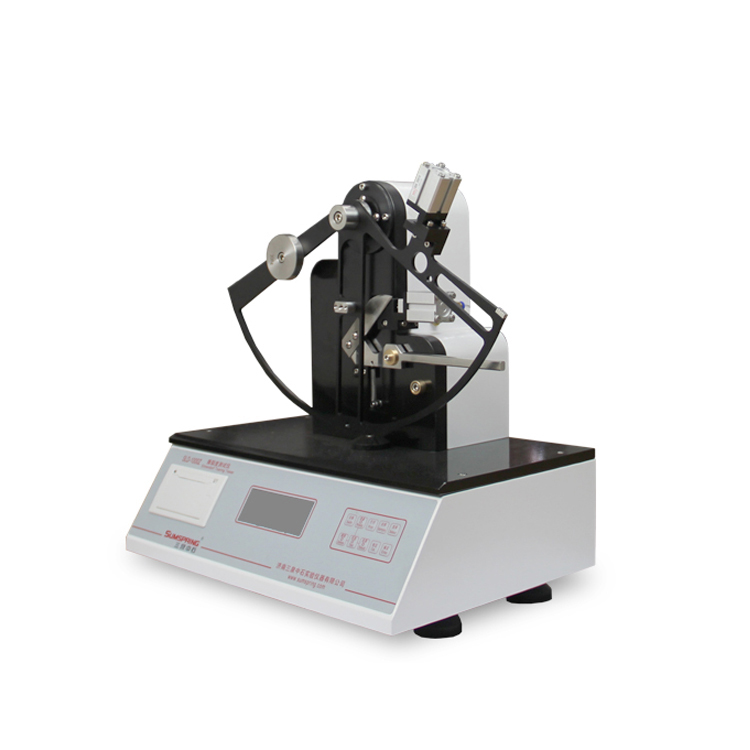
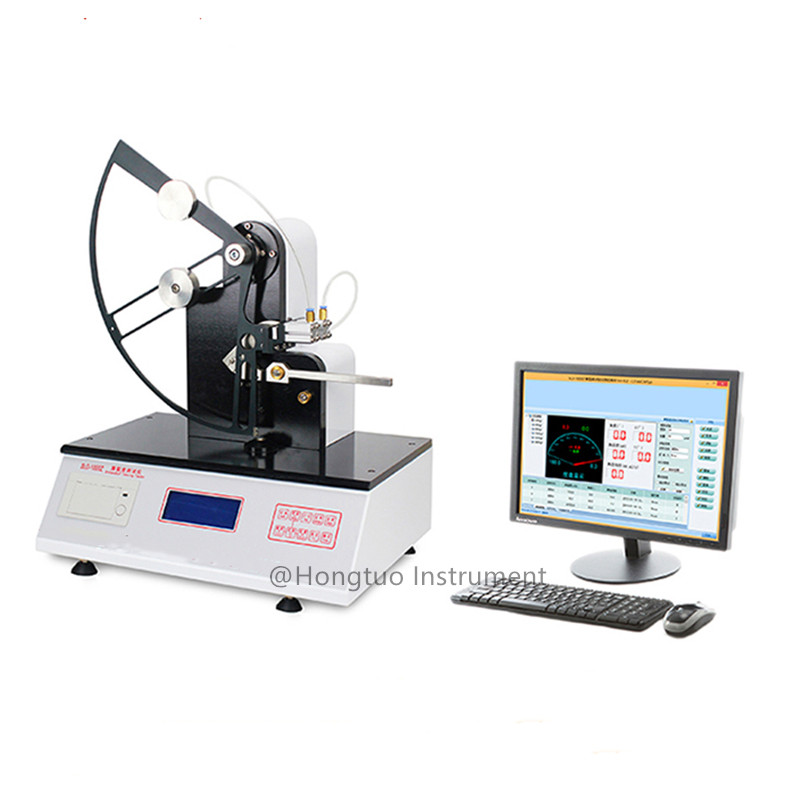
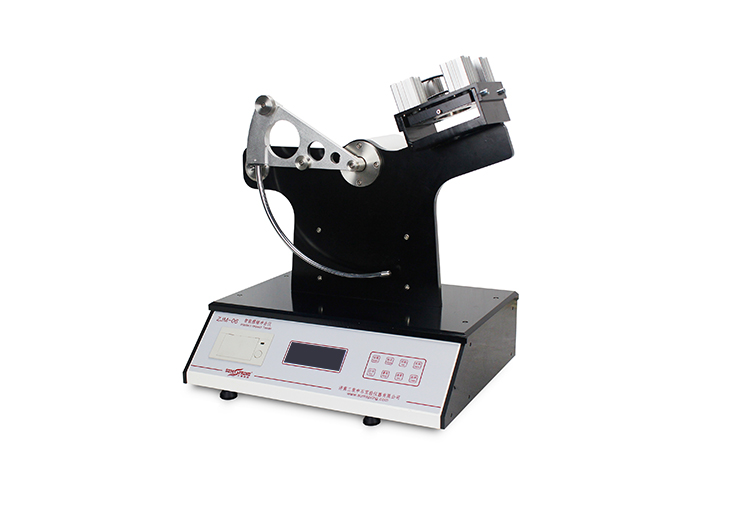
Reliable Tear Strength MeasurementUsing a constant pendulum action, the Elmendorf Tearing Tester delivers highly accurate tear strength data for a broad range of materials. Its stainless steel clamps and robust construction ensure secure specimen holding and consistent performance. The device is suitable for textiles, paper, films, and nonwovens, providing essential data for product development and quality assurance.
User-Friendly Operation and Results HandlingFeaturing a digital LCD interface and a microprocessor-based control system, the tester is intuitive to operate. It supports multi-language menus and offers printed or exportable data via RS232 interface, enhancing traceability. The optional thermal printer and memory storage for up to 99 results streamline record-keeping and reporting tasks.
Enhanced Safety and Calibration AssuranceOperator safety is maximized through a pendulum safety lock and transparent protection cover, minimizing risk during testing. The instrument's inbuilt automatic calibration guarantees measurement reliability and reduces setup time, making it straightforward for users to conduct regular checks without external equipment.
FAQ's of Elmendorf Tearing Tester for Material Tear Strength Testing:
Q: How does the Elmendorf Tearing Tester measure material tear strength?
A: The Elmendorf Tearing Tester uses a pendulum release mechanism to apply a controlled tearing force to a notched material specimen. The energy absorbed during tearing is measured and displayed digitally, providing a precise assessment of the material's tear resistance.
Q: What types of materials can be tested with this instrument?
A: This tester is designed for versatile use and can measure the tear strength of textiles, paper, nonwovens, plastic films, and other sheet materials within the applicable specimen size and thickness limits.
Q: When should I calibrate the Elmendorf Tearing Tester?
A: The instrument features automatic inbuilt calibration, but regular calibration is recommended during routine maintenance or when the accuracy of results is critical. This ensures continued compliance with testing standards.
Q: Where can I export or print test data from the device?
A: Test results can be printed using the optional integrated thermal printer or exported directly to a PC via the RS232 interface, allowing for efficient data management and reporting.
Q: What is the process for conducting a tear test on this equipment?
A: Place the notched specimen securely in the stainless steel clamps, select the suitable pendulum range, and release the pendulum manually or pneumatically. The tear resistance is calculated automatically and displayed instantly upon completion.
Q: How does the device ensure user safety during testing?
A: User safety is prioritized with a pendulum safety lock and a transparent protective cover, preventing accidental contact with moving parts during operation.
Q: What are the benefits of using the Elmendorf Tearing Tester in a laboratory setting?
A: The tester offers accurate, repeatable results, conforms to international standards, provides easy data handling, and features robust safety mechanisms-making it an essential tool for quality control and material development labs.
 English
 Spanish
 French
 German
 Italian
 Chinese (Simplified)
 Japanese
 Korean
 Arabic
 Portuguese










 Send Inquiry
