Product Description
DESCRIPTION
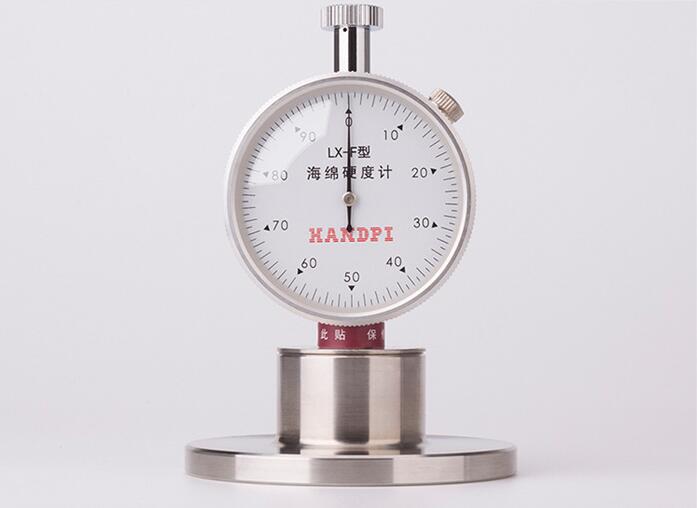
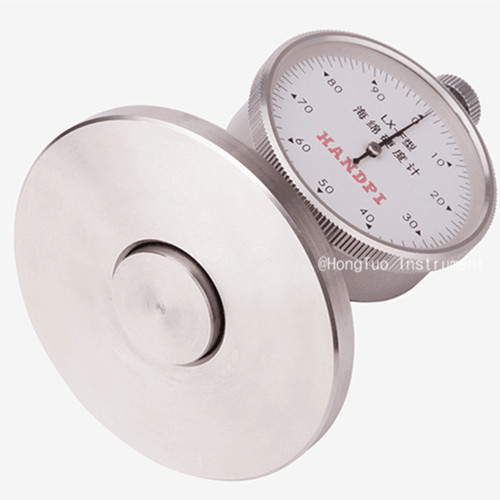
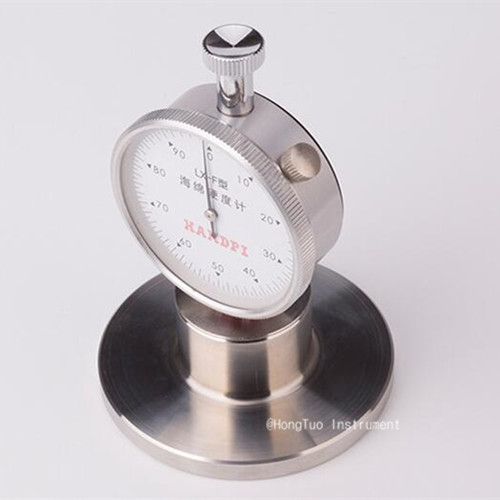
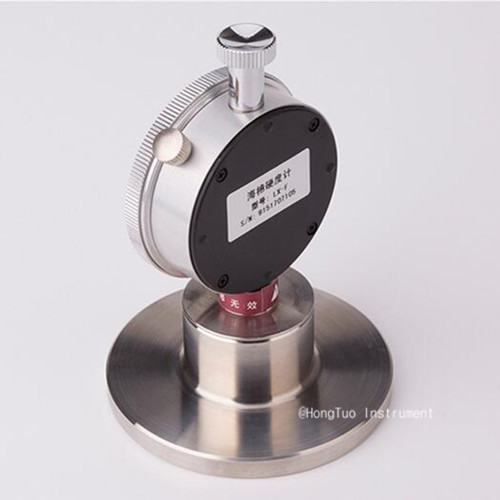
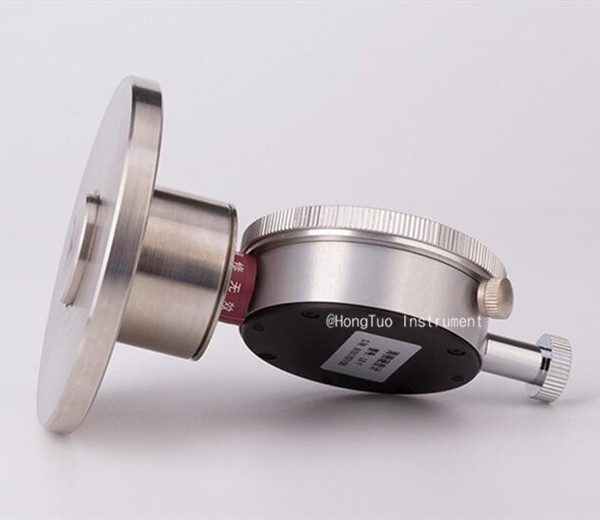
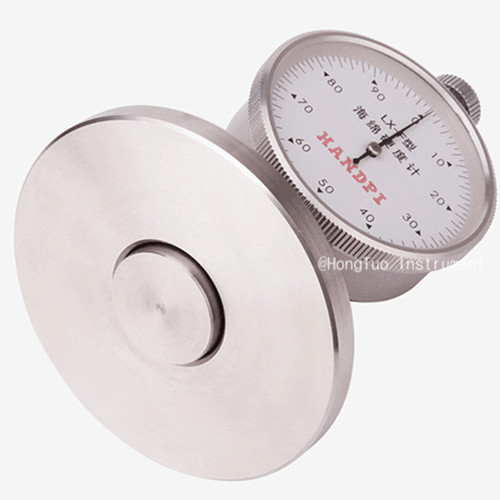
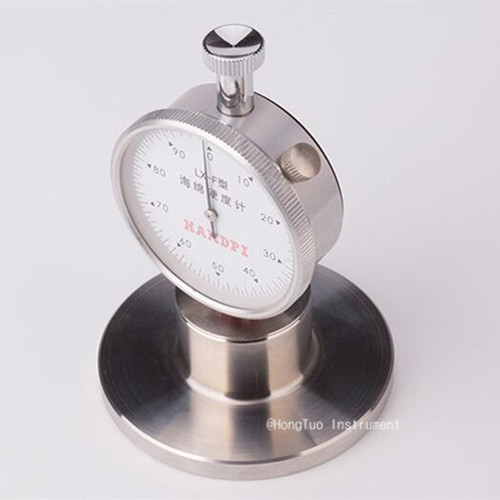
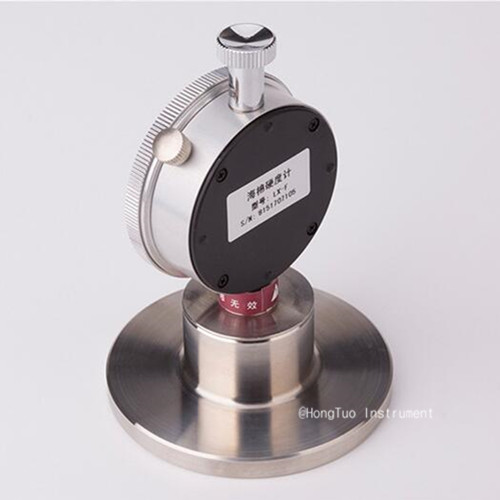
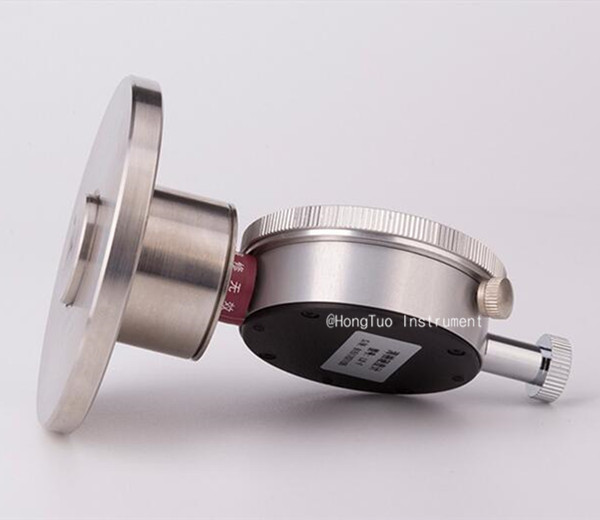
SL-F is suitable for measuring the hardness of sponges, soft foams and polyurethane foam compounds.
Main performance parameters
Needle stroke range: 0 2.5 mm;
Dial value: 0 to 100 degrees;
End force of the needle: 550mN 4300mN (56 438.5g)
Reliable Hardness Measurement for Soft MaterialsThe DH-SL-F 1 Shore A Hardness Tester delivers precise hardness readings for soft materials like rubber, sponge, and elastomers. Its direct vertical pressing method ensures accurate results, while the mechanical construction and analog dial foster reliability in every reading. This tester suits a wide range of testing environments, offering robust utility and consistent performance.
Built for Versatility and Ease of UseWith a lightweight design, stainless steel base, and choice of portable operation or stable placement, the DH-SL-F 1 adapts to various testing needs. Manual operation means there are no batteries or cables required. Its quick needle return device and readable lock pointer allow effortless and precise hardness checks, making it ideal for industry professionals and laboratory technicians alike.
FAQ's of DH-SL-F 1 Shore A Hardness Tester:
Q: How is the DH-SL-F 1 Shore A Hardness Tester used to measure material hardness?
A: To measure hardness, place the sample on a flat surface and ensure it has at least 6 mm thickness. Firmly press the indenter vertically against the specimen, and the analog dial immediately displays the hardness value in Shore A units.
Q: What types of materials can be tested with this hardness tester?
A: The instrument is suitable for soft materials such as rubber, foamed materials, sponge, and elastomers within the Shore A scale range.
Q: When should calibration or user adjustment be performed?
A: The tester is factory calibrated, but user calibration can be performed periodically or after intensive use to maintain measurement accuracy.
Q: Where can this tester be most effectively utilized?
A: Its portable design allows effective use in laboratories, production floors, warehouses, and field inspection sites wherever soft material hardness assessments are required.
Q: What are the key benefits of using a mechanical, manual Shore A hardness tester?
A: Benefits include immediate results, no requirement for external power, simplicity of use, robust build quality, and ease of transport, making it suitable for diverse and challenging environments.
Q: How does the needle return device and reading lock function enhance testing?
A: The needle return device resets the pointer to zero after each test, ensuring clarity for new measurements. The reading lock holds the pointer at the measured value, allowing precise and easy reading even after removing the instrument from the specimen.
 English
 Spanish
 French
 German
 Italian
 Chinese (Simplified)
 Japanese
 Korean
 Arabic
 Portuguese










 Send Inquiry
