Product Description
main features:
1. Scosity measurement accuracy: each range is automatically calibrated by a computer, with high accuracy and small error;
2. Front-level instrument: the level adjustment is intuitive and convenient;
3. Optional Pt100 temperature probe: wide temperature measurement range, from-20 to 300, temperature measurement accuracy of 0.1;
4. Optional enhanced ultra-low viscosity adapter ULR / URL PLUS, which can accurately measure the viscosity of 1mPa.S;
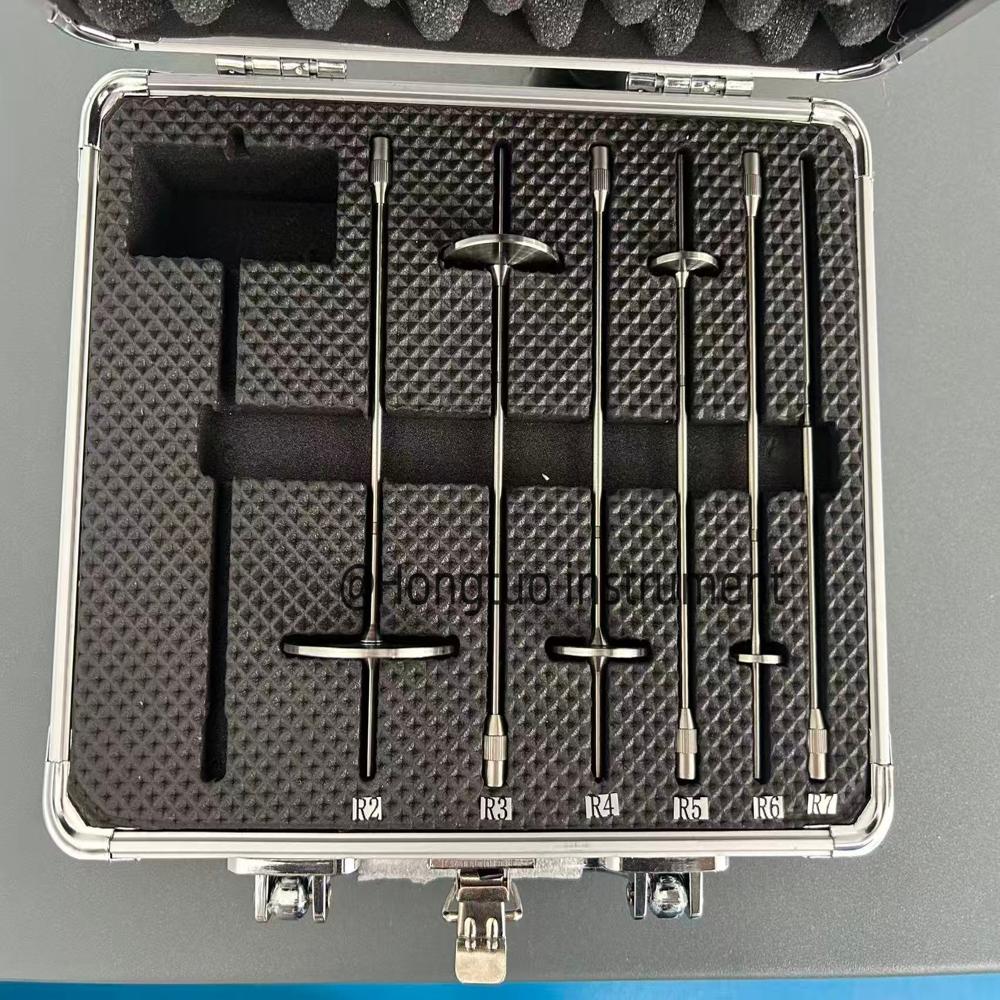
5. Select a small amount of sample adapter, SSR / SSR PLUS, and the sample volume measured each time is only 7-11ml;
6. Rich optional accessories: constant temperature bath, constant temperature cup, printer, standard viscosity sample (standard silicone oil), etc.;
7. With automatic scanning, timing measurement and other functions;
8. Automatic prompt function of viscosity measurement and stability;
9. Showing the shear rate and the shear stress;
10. Sviscosity unit switching (1Pa.s=1000mPa.s; 1P=100mPa.s; 1cP=1mPa.s);
11. Temperature unit switch: Celsius, F;
12. Connect to the printer and the computer
13. Switching between Chinese and English operating systems
The torque of the gossamer, the shape of the rotor, the size of the rotation speed, and the range of the viscosity measurement are the same as the same viscometer imported, and the measured viscosity data is very well comparable with the imported similar instruments.
Widely used in paint, paint, cosmetics, ink, pulp, food, oil products, starch, adhesives, latex, biochemical products and other industries. It can also be optional high temperature furnace measurement need heating melt samples such as asphalt, hot melt glue, polyethylene wax and other samples.
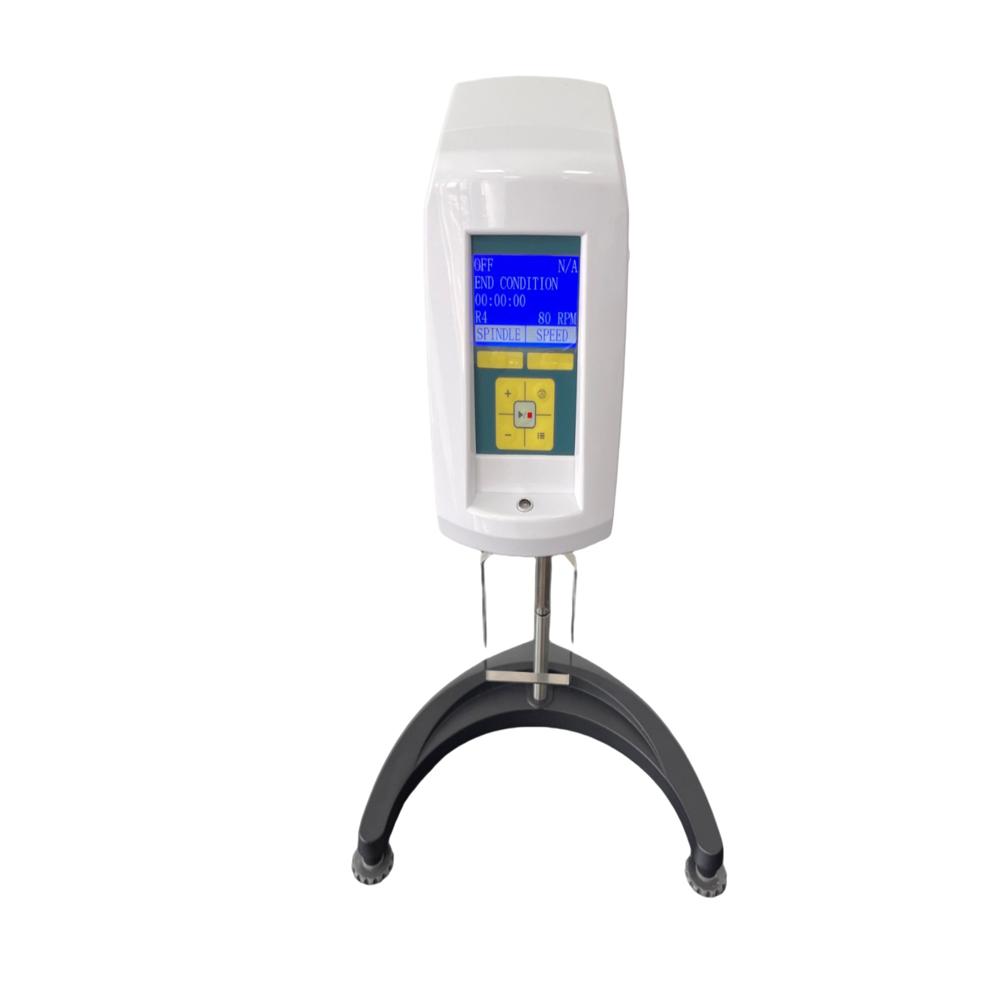
Versatile Viscosity MeasurementThis rotary viscometer covers a vast viscosity range, making it ideal for analyzing liquids from thin solvents to thick adhesives. Suitable for applications in paint, cosmetics, food, and many more sectors, its adaptability ensures precise results regardless of sample complexity or industry requirements.
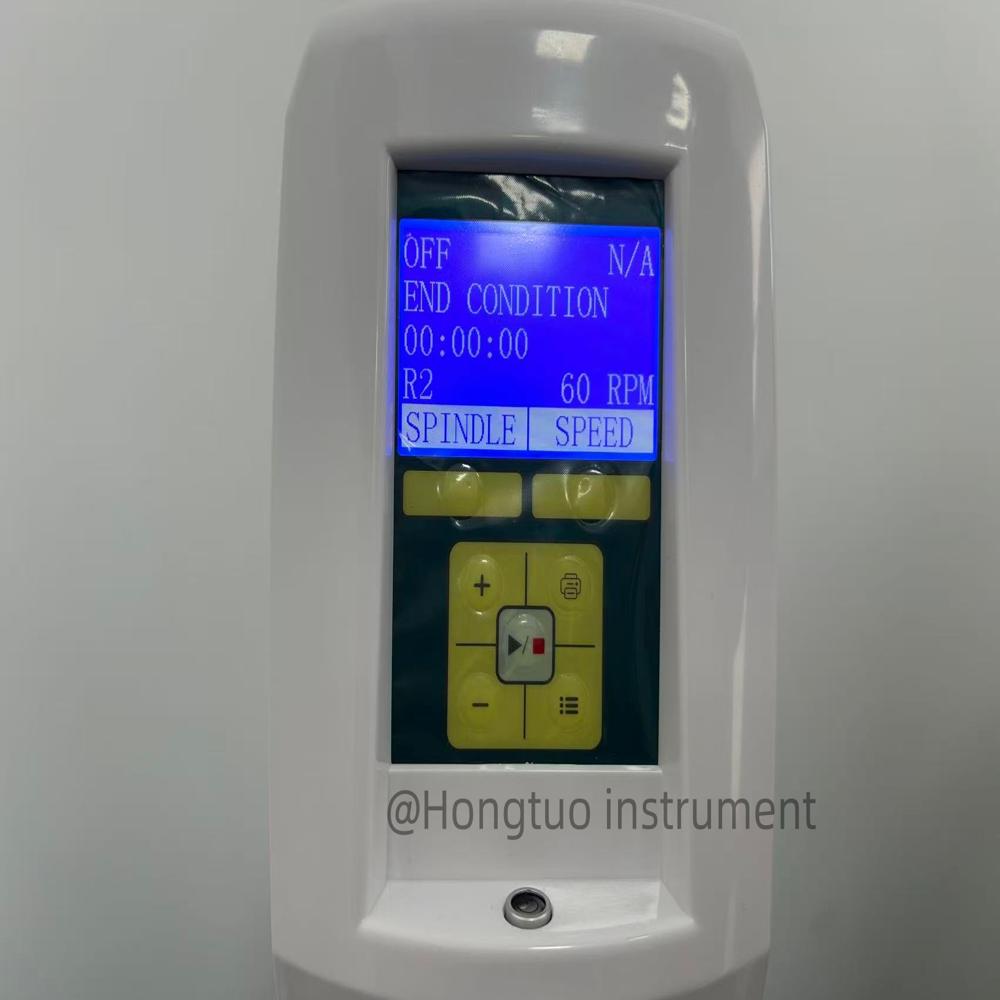
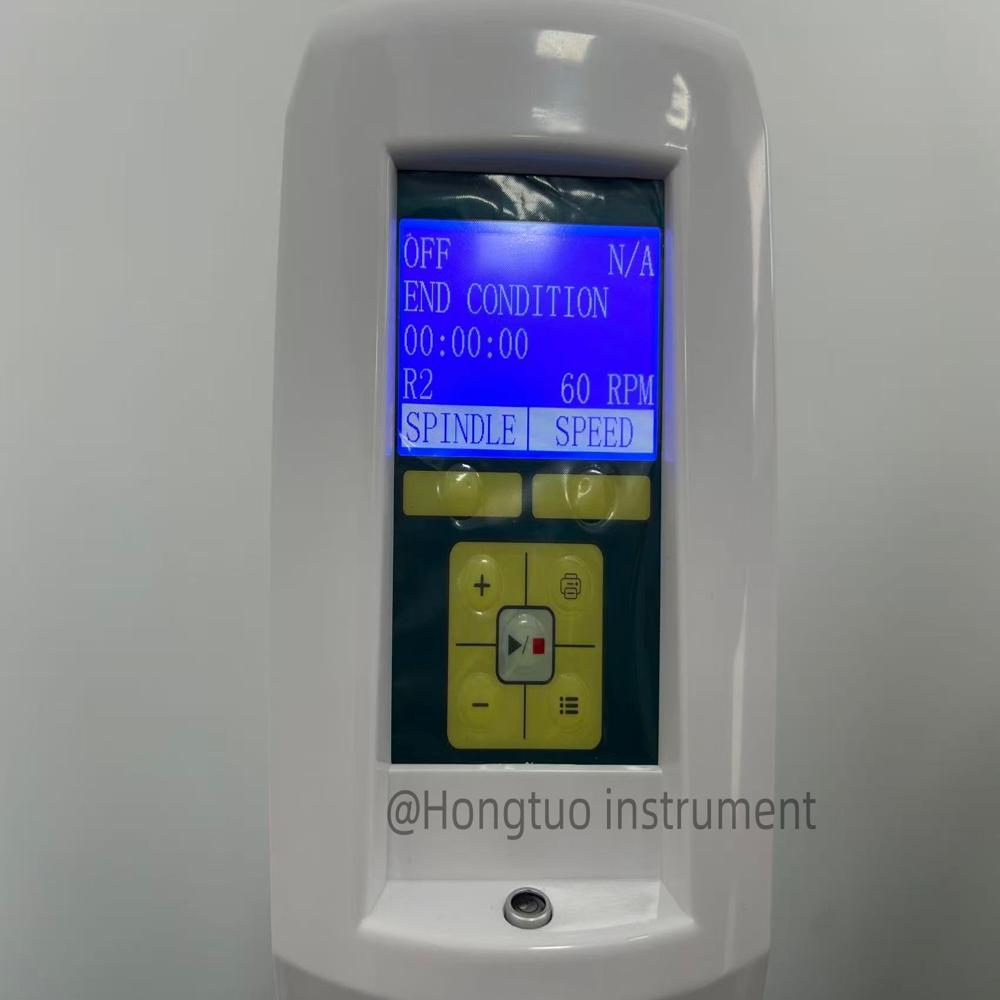
Modern, User-Friendly DisplayThe liquid crystal display provides clear, real-time readings and parameters, ensuring that users can easily monitor and record data during testing. This user-friendly interface reduces the risk of error, streamlining the viscosity measurement process for professionals and researchers alike.
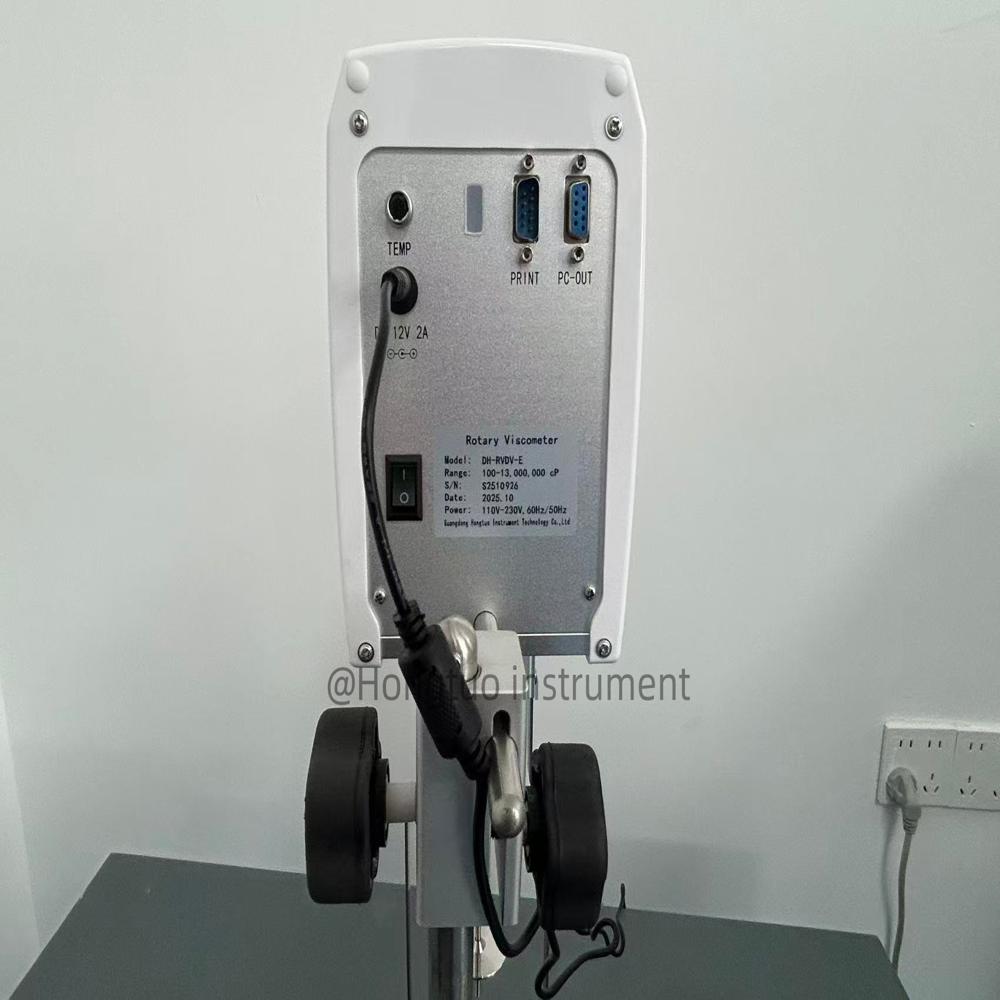
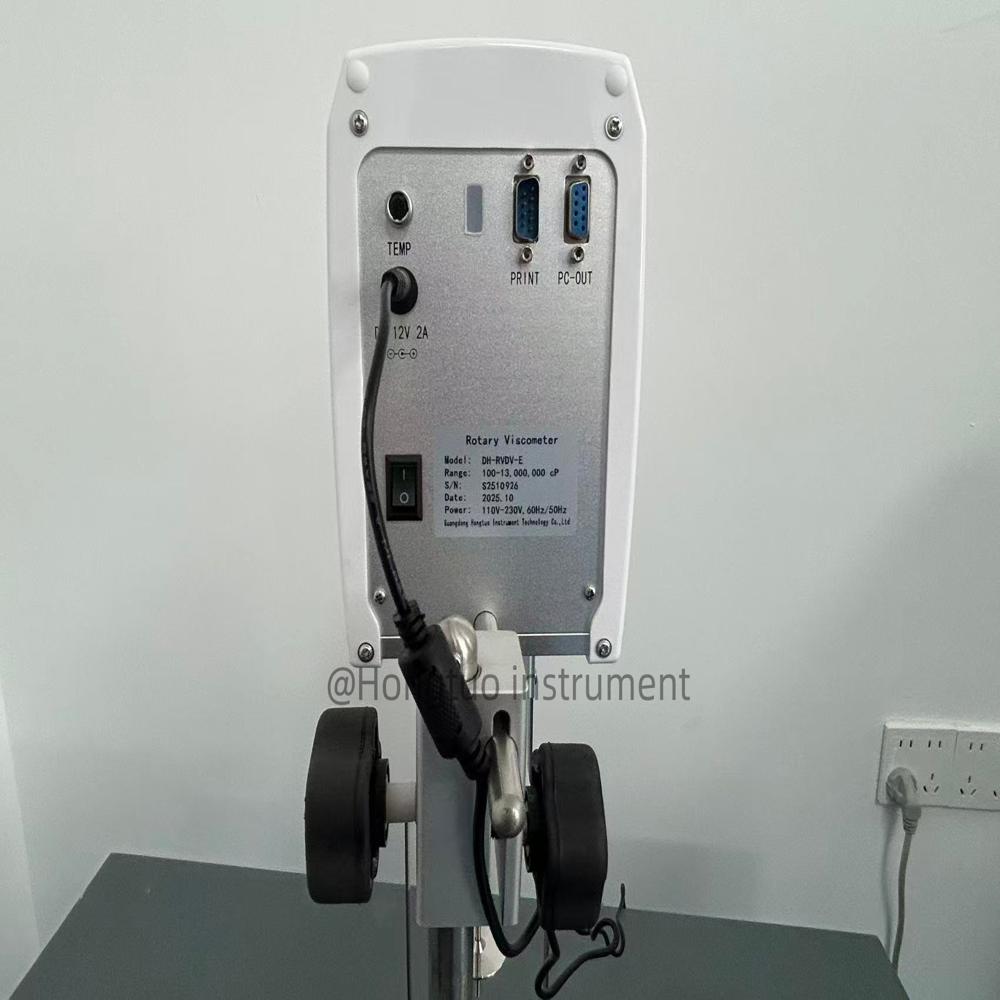
Reliable Across Multiple EnvironmentsCompatible with both standard power supplies (110V/60Hz and 220V/50Hz), the viscometer functions efficiently in various global regions. Its robust build and precise controls make it suitable for continuous usage in demanding industrial settings and laboratories.
FAQ's of DH-LVDV-E Rotary Viscometer:
Q: How does the DH-LVDV-E Rotary Viscometer operate?
A: The viscometer measures the resistance of a liquid to rotational movement using a rotating spindle. As the spindle turns at controlled speeds (0.3-100 RPM), the instrument senses torque changes through the liquid and calculates its viscosity, displaying results on the liquid crystal screen.
Q: What types of industries commonly use this viscometer?
A: This rotary viscometer is frequently employed in paint, cosmetics, food, ink, pulp, oil products, starch, adhesives, latex, and biochemical industries for both research and quality assurance purposes.
Q: When is this viscometer most beneficial for laboratory testing?
A: It is particularly valuable when precise, repeatable viscosity measurements are required for product development, formulation adjustments, or routine quality control across various material types.
Q: Where can the DH-LVDV-E Rotary Viscometer be installed?
A: With its compact dimensions and dual-voltage compatibility, the viscometer can be set up in laboratories, production lines, or research facilities in virtually any region with 110V or 220V standard power supply.
Q: What is the process for testing a sample's viscosity?
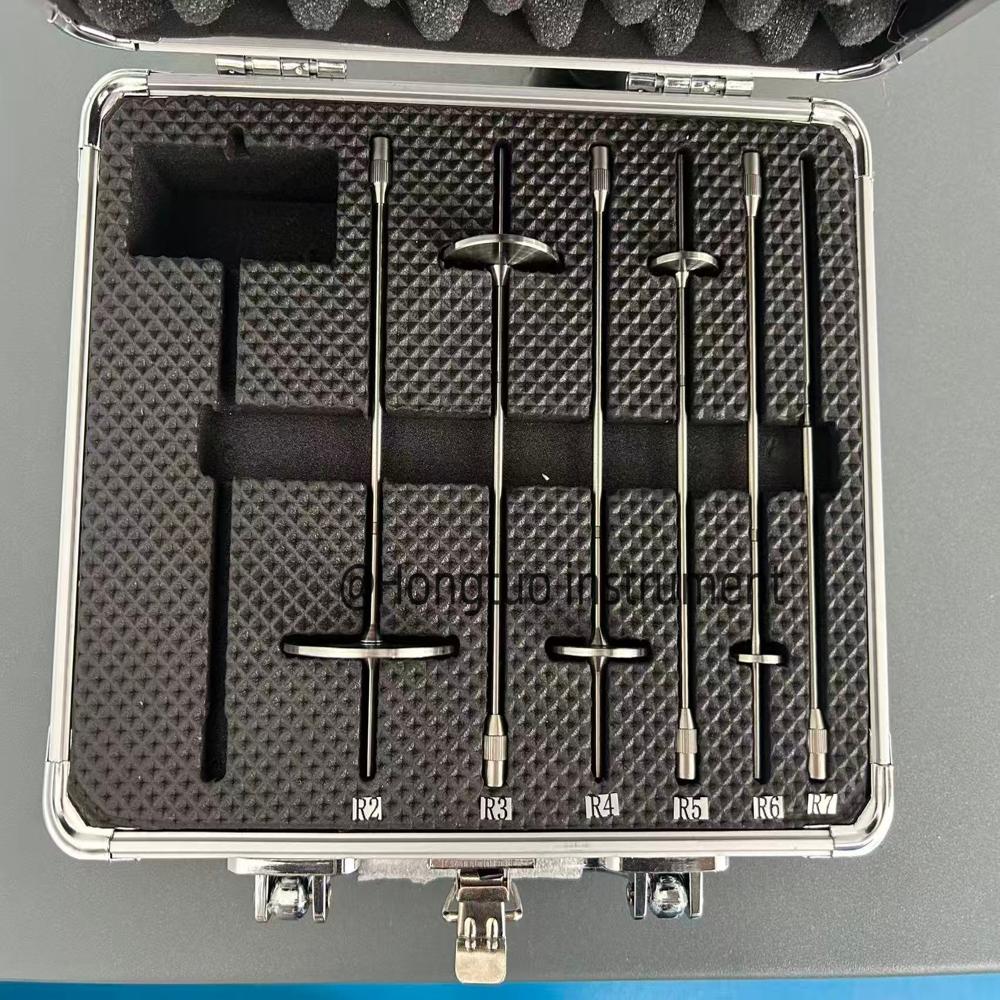
A: To test, pour your sample into the provided container, select the suitable spindle and speed, and start the device. The viscometer will rotate the spindle, measure the sample's resistance, and report the viscosity directly on the display.
Q: How does using this viscometer benefit manufacturers and researchers?
A: It ensures accurate and fast viscosity readings, supporting consistent product quality, optimizing formulations, and reducing the risk of production errors across a range of fluid-based products.
 English
 Spanish
 French
 German
 Italian
 Chinese (Simplified)
 Japanese
 Korean
 Arabic
 Portuguese









 Send Inquiry
