Product Description
Application:
Soft rubber, soft vulcanized rubber, natural rubber, nitrile rubber, thermoplastics, thermoplastic elastomers, waxes, felt products, leather products.
Standards:
DIN53505/ASTM D2240/1SO 7689/JIS K7215
Features:
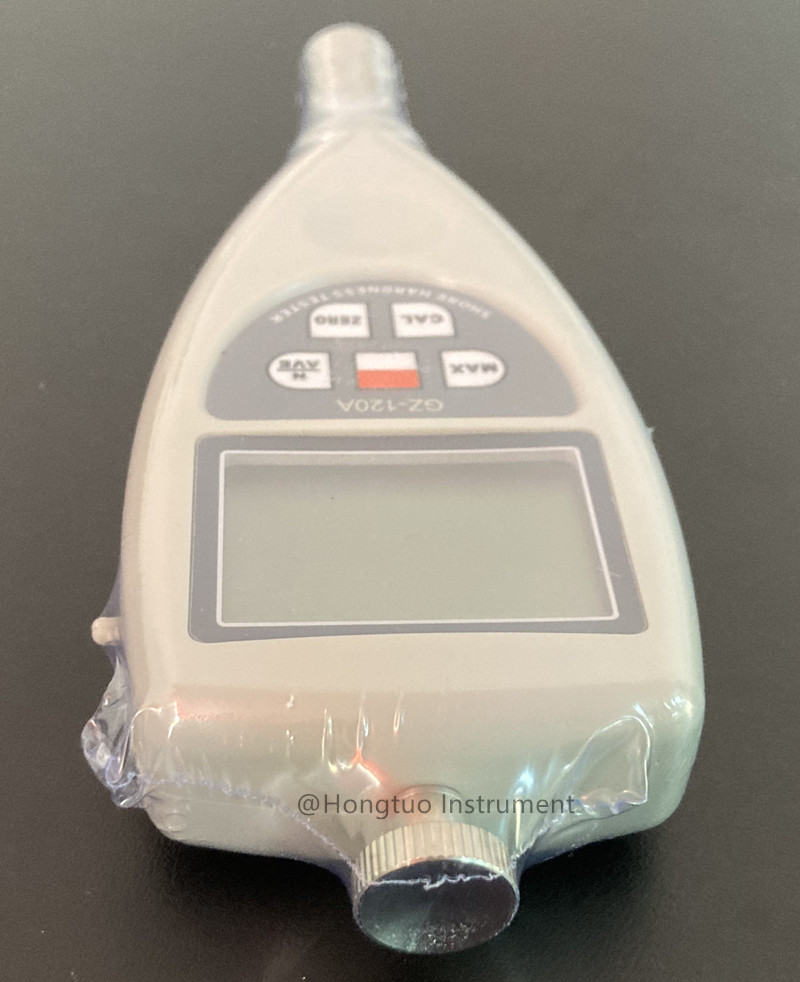
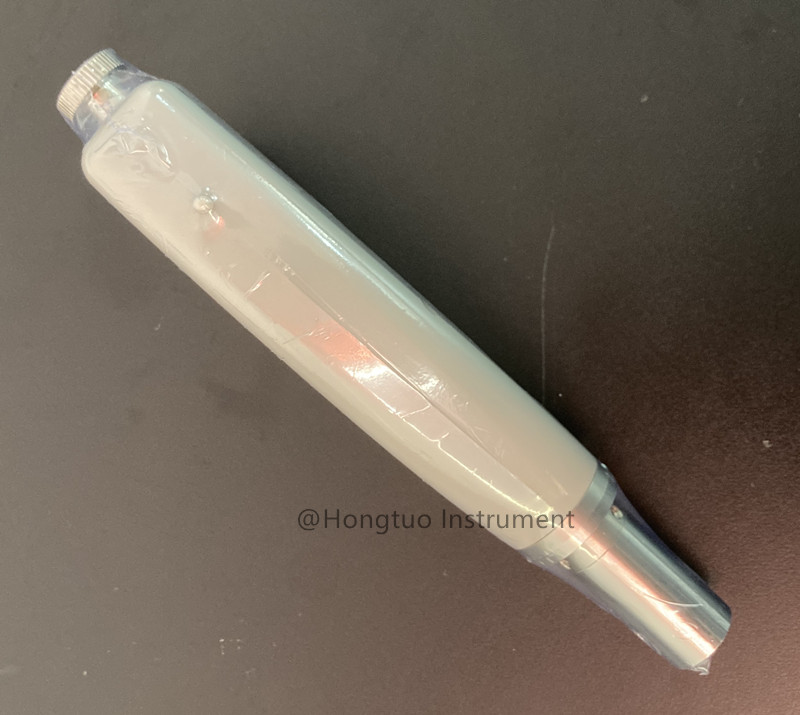
1.Integrated design, small size and light weight.
2.Metric/imperial unit conversion, with average value calculation, maximum value latch and
under-voltage alarm indication functions.
3.Use "USB data cable output" and "RS-232 data cable output" to communicate with PC.
4.Provides "Bluetooth data output" selection.
Specification:
|
Display
|
LCD
|
|
Resolution
|
0.1H
|
|
Accuracy
|
1H
|
|
Measuring range
|
1090HA
|
|
Display parameters
|
Hardness value/average/maximum value
|
|
Working environment
|
Temperature:040 C;Humidity:90 RH
|
|
Power supply
|
2x1.5v AAA AA batteries
|
|
Dimension
|
176x63x25 mm
|
|
Weight
|
310 g (without battery)
|
Accessories:
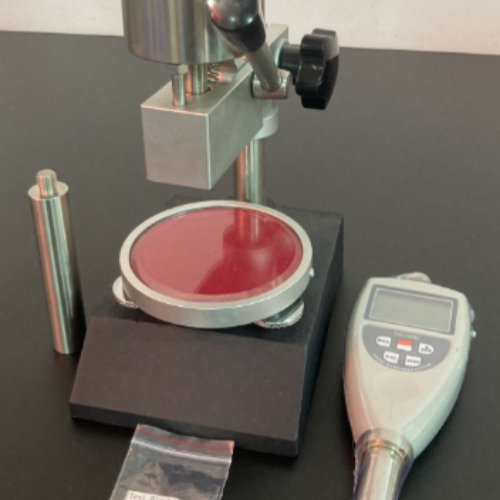
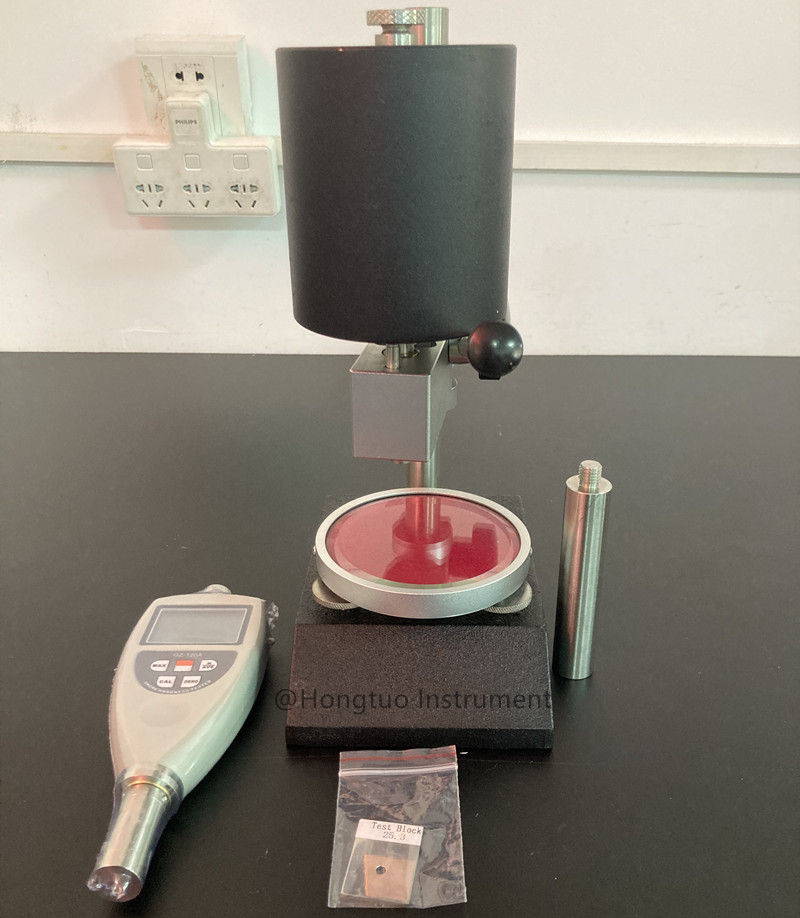
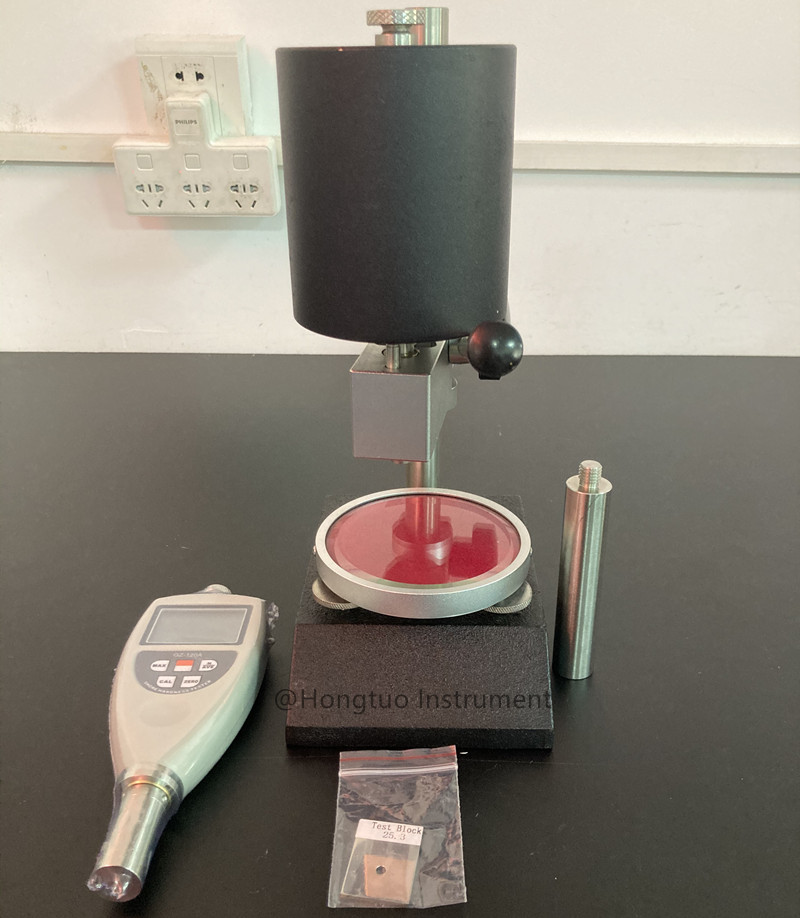
Main host,Shore hardness block,Portable carrying case,Instruction manual.
Optional Accessories:
Shore hardness tester test rack
USB data cable output
RS-232 data cable output
Bluetooth data output
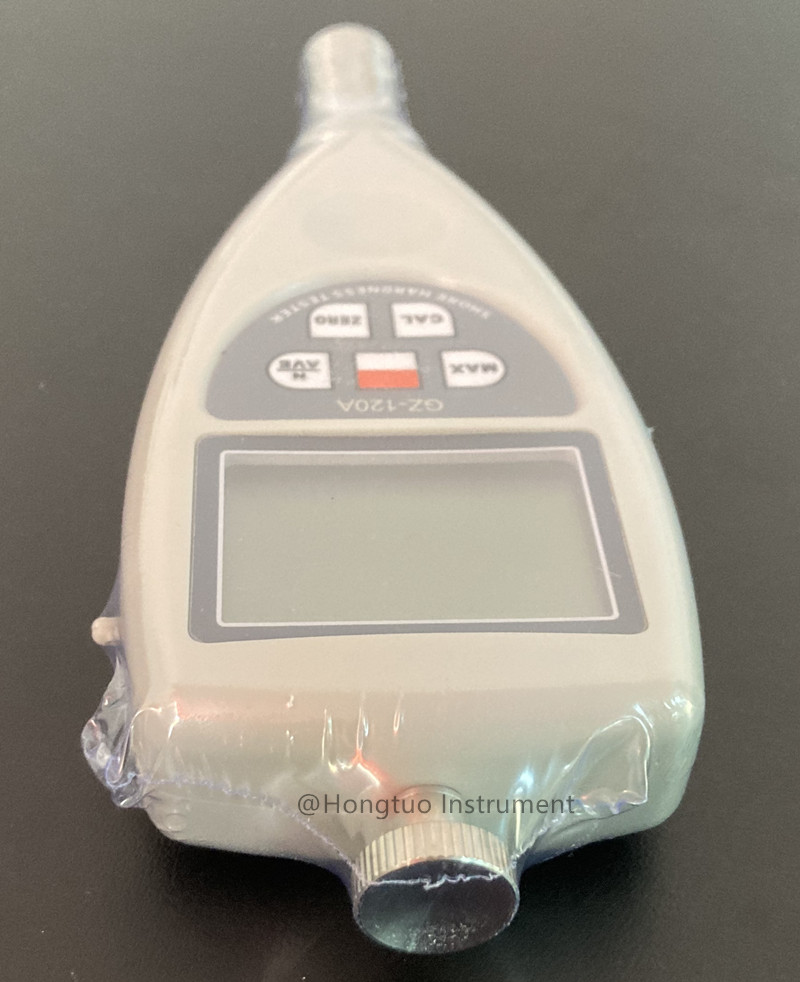
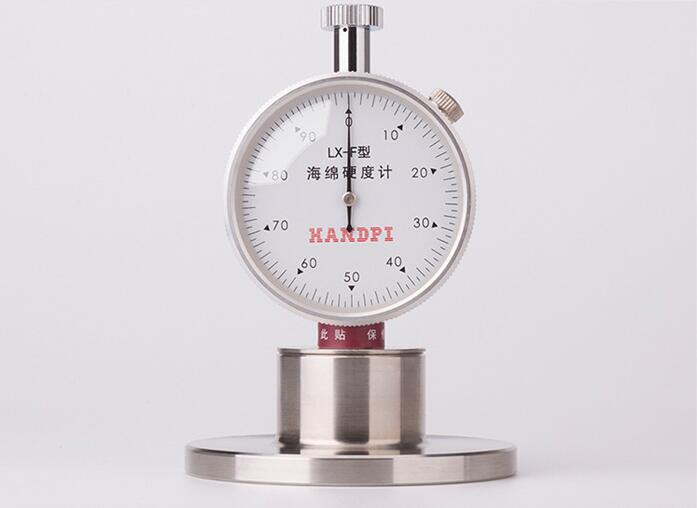
Precise and Consistent Hardness TestingThe DH-GZ-120A utilizes a digital durometer with a stainless steel indenter tip to deliver highly accurate Shore A hardness readings. Its manual test stand enables controlled, repeatable measurements and meets ASTM D2240 standards, making it ideal for quality control in elastomers and soft plastics. Immediate response and an adjustable test stroke provide versatility for various specimen sizes.
Sturdy Build and User-Friendly OperationConstructed from polished stainless steel and anodized aluminum, the tester ensures prolonged durability and easy maintenance. Its detachable, bench-top stand stabilizes the device during testing, while the large LCD offers clear data visibility. The digital durometer operates on a simple battery supply, eliminating the need for external power sources.
Supplied with Essential AccessoriesEach unit is shipped with a standard reference test block, adjustment weight, and a protective carrying case, allowing for straightforward setup and calibration. The inclusion of a calibration block further guarantees measurement accuracy from the outset, supporting reliable performance in regular use.
FAQ's of ASTM D2240 Shore A Hardness Tester DH-GZ-120A:
Q: How do I operate the ASTM D2240 Shore A Hardness Tester DH-GZ-120A?
A: Begin by placing the specimen (minimum 6 mm thick) on the base. Manually lower the indenter at a steady test speed (1-2 mm/sec) until the desired stroke (up to 25 mm) is reached. The digital durometer will display real-time or peak hardness readings on its large LCD. Zero reset is easily done prior to each test for best accuracy.
Q: What types of materials can be tested with this hardness tester?
A: This device is designed for testing rubber, soft plastics, elastomers, and other soft materials as specified by the ASTM D2240 Shore A standard. It is not suitable for harder plastics or metals, which require other Shore scales.
Q: When and how should I calibrate the tester?
A: Calibration should be done regularly before testing, using the provided reference test block. Place the block under the indenter and follow the adjustment instructions to ensure accurate readings. Persistent discrepancies may indicate a need for servicing or recalibration by the manufacturer.
Q: Where can I use the DH-GZ-120A hardness tester?
A: This instrument can be used in laboratory environments, production facilities, or quality control rooms. Its bench-top design and manual operation make it portable and adaptable even in locations without external power, as only the display requires batteries.
Q: What is the measurement process and what makes it accurate?
A: The tester measures hardness according to the depth of indentation produced by the indenter under a specified load. The detachable stand, consistent test speed, and controlled stroke help reduce operator variability, while the digital display provides resolution up to 0.1 HA for enhanced precision.
Q: What are the main benefits of using this digital Shore A hardness tester?
A: Key advantages include immediate, easy-to-read LCD results, portability via battery operation, stable benchtop mounting, compliance with ASTM D2240, and included accessories for direct calibration. The polished, robust construction also ensures the device stands up to regular industrial use.
 English
 Spanish
 French
 German
 Italian
 Chinese (Simplified)
 Japanese
 Korean
 Arabic
 Portuguese










 Send Inquiry
